Federal Reserve holds rates steady, resisting White House pressure
The Federal Reserve kept interest rates unchanged at its first meeting of the year, pausing further cuts after reductions in the fall. The decision comes amid intensified political pressure from President Trump and renewed debate over the central bank’s independence and the economic risks of lowering borrowing costs too aggressively.
- Published
- Updated
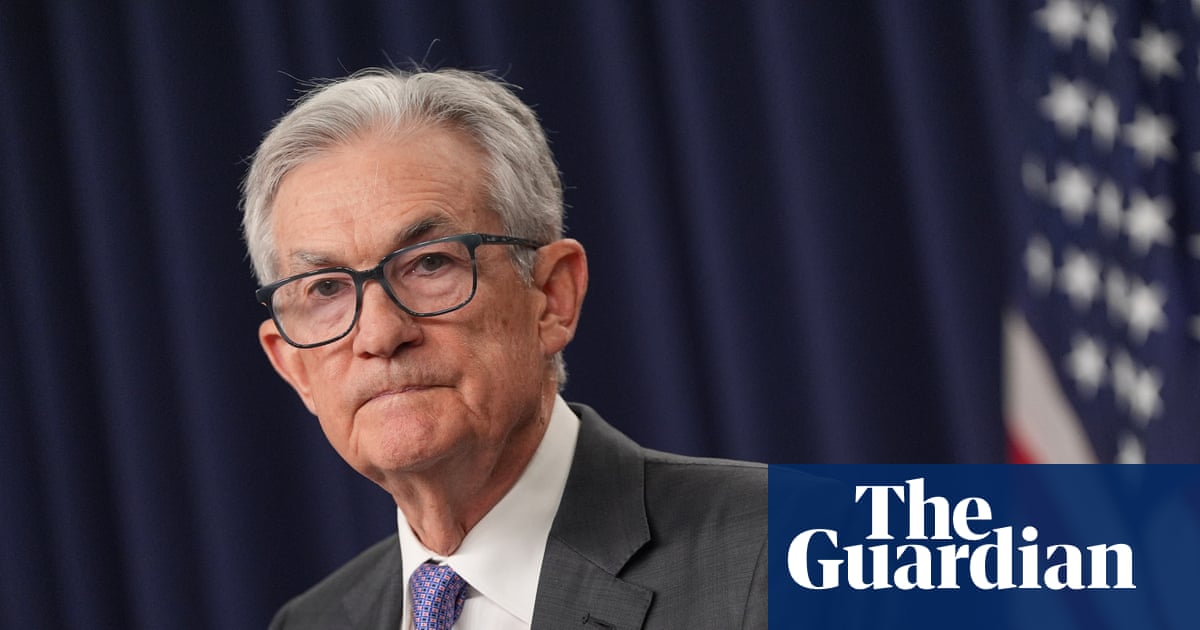
The US Federal Reserve left interest rates unchanged following its first rate-setting meeting of the year, maintaining a target range of 3.5% to 3.75%. The decision pauses the easing cycle after the central bank cut rates three times in the fall, a move officials previously tied to evolving inflation and growth conditions.
The hold comes amid intense political pressure from President Donald Trump, who has publicly pushed the central bank to reduce rates faster. Coverage described the pressure campaign as unusually direct, fueling renewed arguments over whether the Fed can operate independently when the White House is openly demanding looser policy.
Fed watchers note that keeping rates steady can be a way to balance short-term growth risks against longer-term price stability. Lower interest rates can support economic activity by reducing borrowing costs, but they can also amplify inflation pressures if demand accelerates faster than supply or if inflation expectations rise.
The decision also keeps market focus on the Fed’s guidance about what might come next. Investors typically parse the central bank’s language for signals on whether officials see inflation cooling enough to resume cuts, or whether they want more evidence that price pressures are under control before moving again.
The political stakes are high because rate decisions reverberate across mortgages, consumer credit, corporate borrowing, and federal financing costs. A prolonged pause can cool certain sectors, but it can also reassure markets that the Fed is prioritizing credibility and stability rather than responding to day-to-day political demands.
The Fed meets eight times each year, and each meeting can shift expectations for the path of borrowing costs. For now, the central bank’s choice to stand pat signals that officials are not prepared to accelerate cuts, even as the White House argues that lower rates would deliver faster growth and financial relief.