Major winter storm cancels more than 10,000 flights and snarls travel across the U.S.
A massive winter storm sweeping from the southern Rockies to New England has triggered widespread flight cancellations, hazardous road conditions and major disruptions for travelers. Airlines, airports and emergency officials are urging the public to delay trips, monitor airline alerts and prepare for prolonged cold and ice impacts.
- Published
- Updated
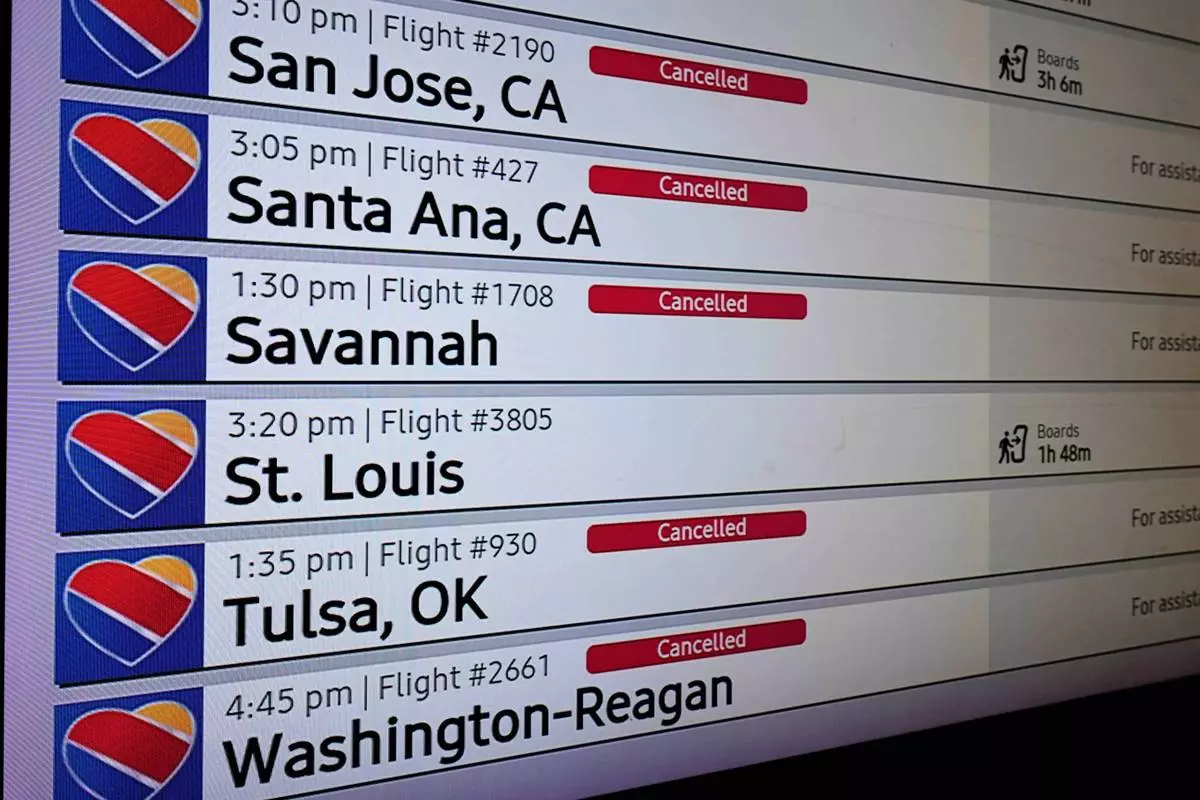
A powerful winter storm barreling across the United States on Sunday, January 25, 2026, upended travel for millions, as airlines canceled more than 10,000 flights in a single day and thousands more were delayed. The sprawling system brought a messy mix of snow, sleet and freezing rain to a broad corridor from the southern Rocky Mountains through the Midwest and into the Northeast, straining airport operations and prompting repeated warnings about dangerous conditions.
Airports along the East Coast and in major connecting hubs faced heavy impacts as runways required repeated clearing and de-icing crews worked around the clock. Travelers at busy terminals were urged to check their flight status before leaving home and to expect long lines for customer service and rebooking. Airlines issued waivers in many markets, but available seats were limited as crews and aircraft were displaced by earlier cancellations.
Forecasters said some areas could see significant snowfall totals while other regions were threatened by ice accumulation that can quickly make roads impassable and down power lines. Emergency managers emphasized that ice can be more dangerous than snow because it makes even short trips risky and can lead to extended utility outages. Officials urged residents to keep phones charged, have extra blankets and avoid unnecessary travel, especially overnight as temperatures dropped.
For air passengers, consumer advocates pointed to a key protection that applies regardless of the cause: if a flight is canceled and a traveler chooses not to take the trip, the airline must provide a refund, including for many add-on fees, even when the ticket was sold as nonrefundable. Airlines often offer vouchers first, but passengers can request their money back if they decide to abandon the trip.
Airline policies vary on meals, hotels and other assistance during weather events, which are typically considered outside an airline’s control. Many carriers will rebook customers on the next available flight at no extra charge, but that can mean multi-day waits when storms hit multiple hub cities at once. Travelers were advised to use airline apps and websites to monitor alternate routings and to keep documentation of expenses when disruptions cascade.
The storm’s effects were expected to linger into Monday, with frigid air behind the system raising the risk of refreezing on roads and airport surfaces. Transportation officials warned that even after precipitation ends, black ice can remain a hazard, and widespread operational backlogs can take days to unwind. Travelers with flexible plans were encouraged to postpone departures until conditions improve and rebooking options expand.