Monster winter storm slams much of the U.S., triggering mass outages and thousands of flight disruptions
A sprawling winter system swept from the South into the Northeast, knocking out power for hundreds of thousands and snarling air travel, while federal and state officials warned of dangerous ice, snow and bitter cold through Monday.
- Published
- Updated
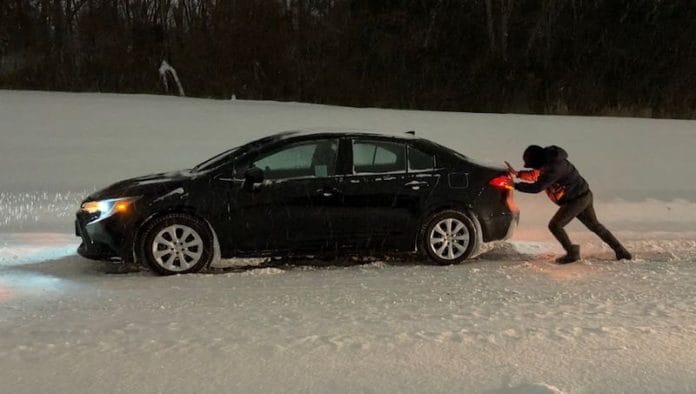
A massive winter storm pushed across a wide swath of the United States on Sunday, January 25, 2026, leaving hundreds of thousands of customers without electricity, grounding and delaying flights, and forcing many states to escalate emergency responses as ice and heavy snow piled up.
The storm’s footprint stretched from parts of the South into the Midwest and onward toward the Northeast, bringing a volatile mix of snow, sleet and freezing rain. Forecasters warned that the most disruptive impacts could come from significant ice accumulation in parts of the Southeast, where downed trees and power lines can rapidly cascade into prolonged outages.
Power failures were reported across multiple states, with especially large clusters of outages in areas hit by freezing rain. Utilities and emergency managers urged residents to prepare for extended restoration times, noting that ice can slow repairs and create hazardous conditions for crews working aloft.
Air travel was heavily affected. Airlines trimmed schedules and issued travel waivers as airports contended with de-icing demands and reduced runway capacity. Travelers faced a wave of cancellations and delays, and the ripple effects reached well beyond the hardest-hit regions as aircraft and crews were displaced.
Officials emphasized safety messaging for both drivers and households. Transportation agencies cautioned that even short trips can become dangerous when roads glaze over, while emergency officials urged residents to avoid using generators indoors and to check on neighbors who may be vulnerable during prolonged cold.
With temperatures dropping in many areas, authorities highlighted the risk of hypothermia, carbon monoxide poisoning, and home heating-related fires. Public advisories stressed the importance of having backup heat plans, charging devices ahead of time, and keeping vehicles fueled in case travel becomes unavoidable.
Federal support and coordination expanded as the storm progressed. Disaster declarations and deployments were announced in several states, and emergency resources were positioned to assist with sheltering, debris removal, and rapid response where ice storms triggered the most severe damage.
Forecasters said the system’s impacts would continue into Monday, with some regions shifting from ice to snow and others facing a prolonged period of dangerous wind chills. Residents in the storm’s path were urged to monitor local alerts, limit travel, and prepare for changing conditions as the system moves east.