Stocks slide after Trump threatens new tariffs tied to Greenland dispute
U.S. stocks fell sharply after President Donald Trump threatened a new round of tariffs on imports from eight European countries, linking the move to rising tensions over Greenland. Investors pushed into traditional “safe havens” as markets weighed the risk of a broader transatlantic trade clash.
- Published
- Updated
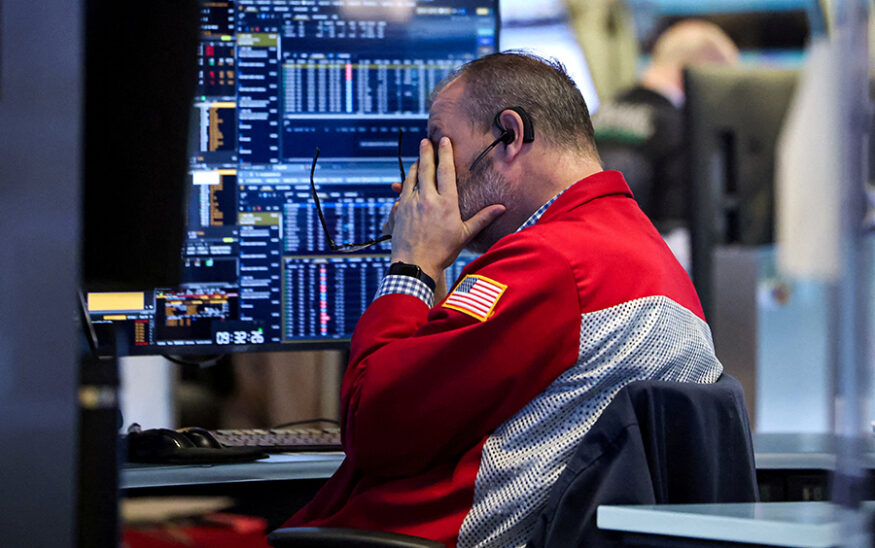
Market drop broadens as tariff threat spreads uncertainty
U.S. markets sold off after President Donald Trump said he would impose a 10% import tax beginning in February on goods from eight European countries: Denmark, Norway, Sweden, France, Germany, the United Kingdom, the Netherlands and Finland. The announcement rattled investors already on edge about the direction of trade policy and the possibility of retaliation from Europe.
The declines were wide-ranging across sectors. Big technology shares were hit particularly hard, and the losses pulled down the major indexes in what has been a wobbly start to the year. Traders cited the combination of geopolitical tension, policy unpredictability and the risk of a new tariff cycle as reasons risk appetite faded quickly.
Flight to safety: gold and silver surge while risk assets wobble
As stocks fell, investors shifted toward assets that are often viewed as protection during periods of turmoil. Gold and silver prices jumped, signaling heightened concern about how fast the dispute could escalate and how long uncertainty might persist.
With the tariff start date approaching, analysts said markets could remain sensitive to any follow-up signals: whether European governments announce countermeasures, whether negotiations calm tensions, and whether companies warn about higher input costs or weaker demand as earnings season unfolds.
- Trigger: proposed 10% tariffs on eight European countries, starting in February
- Immediate effect: broad stock selloff, led by tech and other trade-sensitive areas
- Investor response: stronger demand for safe-haven metals as uncertainty rises
- What to watch: potential European retaliation, diplomatic signals, and corporate guidance
The episode underscores how quickly geopolitics can reprice markets, especially when trade restrictions are on the table. Investors now face a familiar question: is this a negotiating tactic, or the start of a sustained policy shift that could reshape supply chains and slow growth?