Winter Storm Fern barrels across the U.S., triggering emergency declarations and widespread travel disruption
A major winter storm is sweeping across large parts of the United States from January 23–26, 2026, bringing heavy snow, dangerous ice, and plunging temperatures. Officials in multiple states have issued emergency declarations, while airlines and airports report thousands of cancellations and delays as road conditions deteriorate and power disruptions spread.
- Published
- Updated
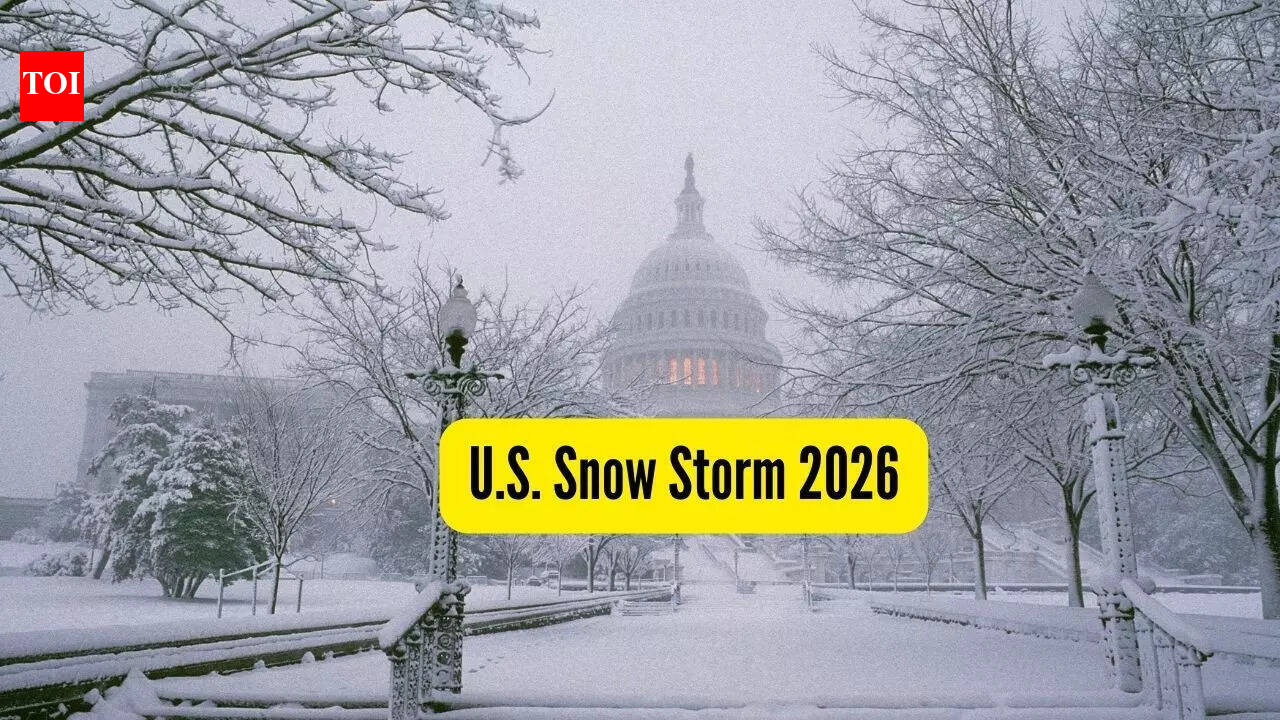
A nationwide winter blast with snow, ice, and bitter cold
Winter Storm Fern is pushing across the United States with a wide footprint that combines heavy snow bands, damaging ice, and Arctic air. Forecasters have warned that conditions could shift quickly from rain to freezing rain to snow, making travel timing difficult and increasing the risk of vehicle pileups, stranded motorists, and extended airport ground stops. In many places, the most disruptive impacts are expected to come from ice accumulation and rapid temperature drops, which can turn previously wet roads into slick, nearly invisible hazards.
As the storm evolves, communities are also dealing with secondary effects: scattered power outages, hazardous wind chills, and interruptions to normal services. For residents, that means a practical checklist matters as much as the forecast—charging phones and backup batteries, stocking essential medications and food, and preparing to shelter in place if roads become impassable. Local and state officials have urged people to avoid nonessential travel, especially during overnight hours when refreezing can sharply increase danger.
Travel disruptions mount as cancellations pile up
Air travel has been hit hard. The storm’s broad reach has created cascading delays across the national air network, not just in the hardest-hit cities. Travelers have reported packed terminals, long rebooking lines, and limited options as aircraft and crews fall out of position. The scale of flight disruption has included thousands of cancellations over the weekend, with additional delays expected as the system tries to recover.
On the ground, state and local agencies have warned drivers to expect rapidly changing road conditions, particularly on bridges and overpasses that ice first. Even where snowfall totals are moderate, freezing rain can create the most dangerous travel scenarios—especially for high-profile vehicles and commercial trucks. Many areas have also warned of the compounding effect of subzero wind chills, which can turn a routine roadside problem into a health emergency in minutes.
What to watch next
The key question through January 25 is where the most significant ice corridor sets up and how long Arctic air lingers behind the storm. That combination determines whether communities face a short disruption or a longer recovery with persistent road hazards and continued power restoration work. Residents are being advised to follow official local alerts, plan for slow travel even after precipitation ends, and check on neighbors who may have limited heat or mobility.