Winter Storm Fern expands across the U.S., driving mass flight cancellations and widespread power outages
A sprawling winter storm barreling from the South into the Northeast is disrupting daily life for tens of millions of Americans, with ice and heavy snow triggering dangerous travel conditions, rolling blackouts, and cascading flight cancellations.
- Published
- Updated
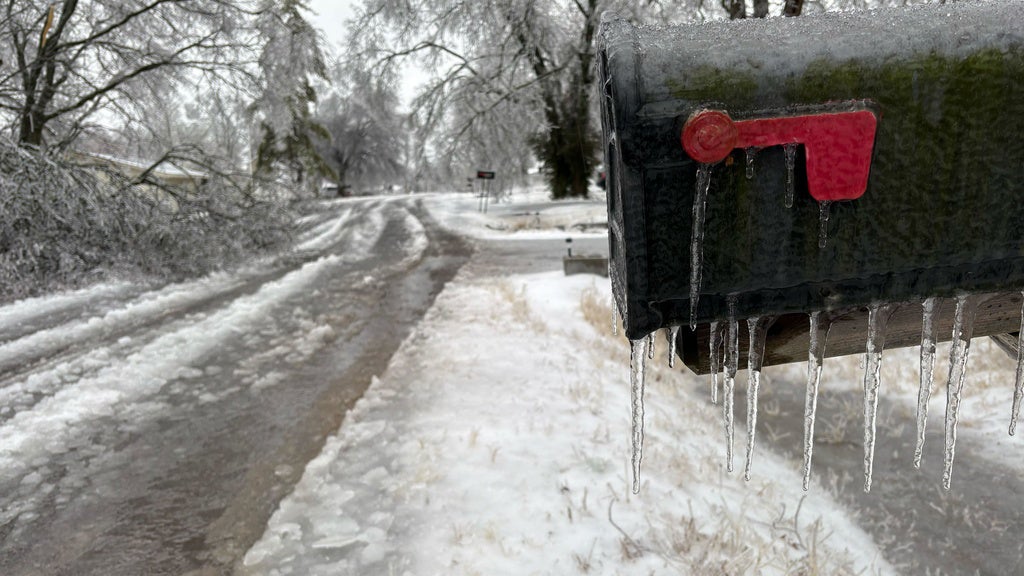
Winter Storm Fern continued to widen its impact on Sunday, January 25, 2026, as snow and ice spread into new regions and intensified in parts of the South and Mid-South. The storm’s footprint has stretched from the Southern Plains toward the Mid-Atlantic and Northeast, creating a multi-day disruption that has touched commuting, utilities, and air travel.
Ice has been the most punishing factor in several states, coating trees and power lines and increasing the likelihood of outages and road closures. As the day progressed, outage totals rose rapidly, with some updates showing outages surpassing 700,000 at points across the South while crews struggled to access downed lines in hazardous conditions. Emergency declarations were in effect in numerous states as officials urged people to stay off roads, prepare for prolonged power loss, and check on vulnerable neighbors.
Air travel has been hit hard. Flight cancellations piled up across major hubs, with nationwide disruptions compounding from day to day as airlines tried to reposition aircraft and crews. Travelers faced rebooking backlogs and the prospect that subsequent flights could also be canceled as the storm advanced into new metro areas. Airports from the South to the Mid-Atlantic and Northeast saw delayed operations and ramp closures as ice and snow complicated ground handling.
On the ground, the storm created a patchwork of hazards. In some regions, heavy snow reduced visibility and made secondary roads impassable, while elsewhere freezing rain caused slick highways and a heightened crash risk. Officials emphasized that a thin layer of ice can be more dangerous than heavy snowfall, especially when temperatures remain low enough to prevent melting and refreezing occurs overnight.
Utilities and local governments warned that restoration work could be slowed by continued precipitation, tree damage, and unsafe access conditions. Residents in affected areas were advised to conserve heat, avoid using generators indoors, and keep phones charged when possible. Warming centers were opened in some locations, and local emergency management agencies encouraged residents to monitor official alerts for updated road closures and shelter information.
Forecast updates indicated that Fern’s impacts were still unfolding, with the storm pushing into new areas and adding additional rounds of snow and ice. Even after the last precipitation ends, lingering hazards—like icy sidewalks, fallen branches, and refreezing—could keep conditions dangerous. Officials urged patience with travel plans and cautioned that the storm could continue to disrupt schools, workplaces, and freight movement into the new week.