Massive winter storm disrupts travel and schooling across the U.S. as alerts persist
A sprawling winter system that stretched from the Southwest into the Northeast triggered widespread school closures, dangerous road conditions, and major travel disruption as millions remained under winter-weather alerts. Local officials urged residents to avoid unnecessary travel while utilities and public works crews worked to restore power and clear roads.
- Published
- Updated
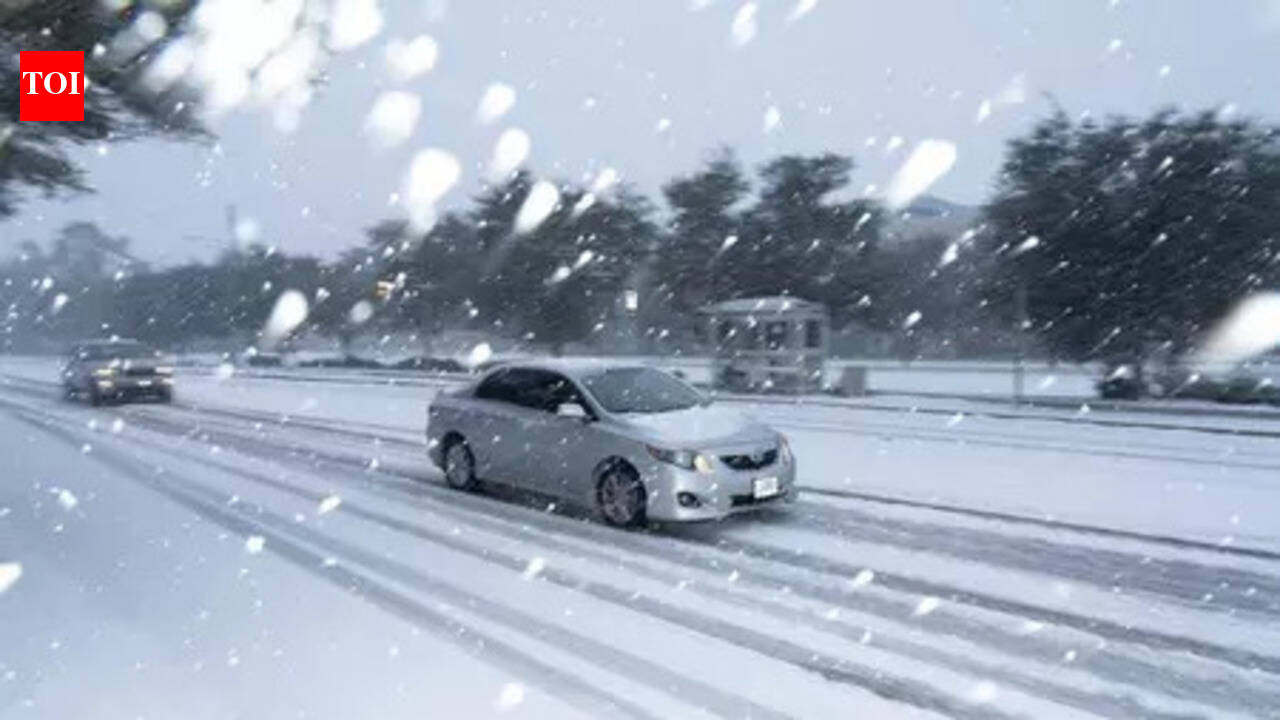
A coast-to-coast disruption from ice, snow, and wind
A major winter storm continued to snarl daily life across large portions of the United States on Monday, January 26, 2026. The system drove hazardous conditions across multiple regions, with a mix of snow, sleet, and freezing rain creating slick roads and reducing visibility, while gusty winds contributed to scattered power outages in some areas. Many communities faced rapidly changing conditions that complicated commutes and forced last-minute adjustments for families and employers.
The storm’s footprint was unusually broad, affecting a long corridor of states. In some communities, school districts moved classes online; in others, superintendents called full closures to keep buses off icy roads and reduce the risk of crashes. Colleges and universities also adjusted schedules, delaying openings, shifting to remote instruction, or cancelling campus activities depending on local road conditions and the status of transit services.
Schools, airports, and local services make rapid changes
Education officials cited safety concerns as the decisive factor, particularly where freezing rain created a layer of ice on bridges and secondary roads. Districts that kept buildings open often limited extracurricular events, while those closing schools emphasized that closures were meant to reduce the number of vehicles on the road for plow and emergency crews. Some communities reported that even short trips became difficult as untreated surfaces glazed over and drivers encountered sudden whiteout or near-whiteout conditions.
Travel disruptions extended beyond roads. Delays and cancellations rippled through air travel as aircraft de-icing operations and low visibility slowed departures and arrivals. Meanwhile, public transit agencies in storm-affected cities urged riders to expect longer trip times and possible service changes. Employers also adjusted, with some offices shifting to remote work or staggered schedules to reduce peak-time demand on roads.
Officials emphasize preparedness as alerts continue
Emergency management agencies and weather forecasters cautioned that conditions could remain dangerous even after snowfall tapered off, because refreezing at night can turn slush into ice. They urged residents to monitor local forecasts, keep emergency kits in vehicles, and avoid travel if possible until roads were cleared and treated. Utilities and public works departments worked to restore service and clear downed branches where wind and ice increased the risk of damage.
While impacts varied by region, the day’s theme was widespread disruption: families reworked childcare plans, schools revised instruction schedules, and local governments asked residents to cooperate with closures and travel advisories. As the system moved through and gradually pulled away from the hardest-hit areas, officials continued to stress that the most severe risks often occur during transitions—when precipitation changes type, temperatures fluctuate around freezing, and roads repeatedly thaw and refreeze.