Massive winter storm spreads ice, snow and dangerous cold across much of the US
A sprawling winter storm has coated large sections of the United States in freezing rain, sleet and snow, triggering widespread power outages, mass flight cancellations and deadly travel conditions. Forecasters warned that lingering precipitation followed by extreme cold could extend impacts for days, complicating repairs and keeping roads hazardous even after the heaviest precipitation ends.
- Published
- Updated
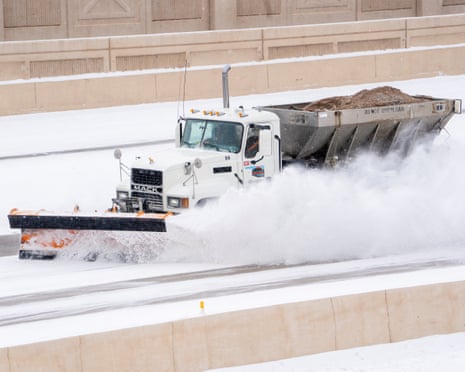
A wide, high-impact storm hits multiple regions at once
A massive winter storm pushed across a huge portion of the United States, dropping sleet, freezing rain and snow while dragging in subzero temperatures that threatened travel and infrastructure from the Southwest to New England. Forecasters described the system as unusually broad, affecting an estimated 2,000-mile stretch of the country. In many places, the biggest danger was not just snowfall, but ice that weighed down trees and power lines and turned highways into skating rinks.
The National Weather Service warned that precipitation would linger into Monday, followed by very low temperatures that could keep impacts going well beyond the main storm. Ice accumulation was expected to be particularly severe across parts of the Lower Mississippi Valley, the Mid-Atlantic and the Southeast, while heavy snow targeted areas from the Ohio Valley into the Northeast. Emergency managers urged residents to treat even short trips as risky, since refreezing can quickly bring back dangerous conditions after crews begin clearing roads.
Power outages, flight disruptions and slow recoveries
As ice built up, branches and power lines snapped, leaving hundreds of thousands of homes and businesses without electricity, especially in the Southeast. Officials cautioned that restoration could be slower than usual because bitter cold complicates field work and creates additional hazards for utility crews. With roads impassable in places, getting equipment and personnel to damaged areas also became more difficult.
Air travel was heavily disrupted, with widespread cancellations and delays as major hubs dealt with snow and ice. Airports and airlines warned that backlogs can persist even after local conditions improve, because aircraft and crews are often out of position after a large weather system impacts multiple regions simultaneously. Travelers were advised to check airline updates frequently and consider postponing nonessential trips.
Why the cold may be the lasting threat
Meteorologists emphasized that the cold surge behind the storm could be as dangerous as the precipitation itself. In some locations, temperatures plunged to levels that raise frostbite risk quickly and can burst pipes or stress electrical systems already under pressure. Officials in several states urged residents to avoid downed lines, limit driving, keep emergency supplies handy and take precautions to prevent hypothermia, especially if power is lost.
Even where snowfall totals were manageable, the combination of freezing rain, wind and repeated thaw-freeze cycles created a long tail of hazards. Transportation departments warned that treated roads can still become slick when temperatures fall sharply, and shaded stretches may refreeze first. As cleanup begins, authorities said the public’s patience and caution will be critical because the conditions that caused the damage may persist for days.