Davos agenda strained by Greenland tensions as leaders weigh trade retaliation
At the World Economic Forum in Davos, tensions tied to the U.S.-Europe standoff over Greenland spilled into economic discussions, reviving fears of an escalating tariff fight. The focus has shifted from big-picture growth and investment to immediate questions about trade retaliation, uncertainty, and market stability.
- Published
- Updated
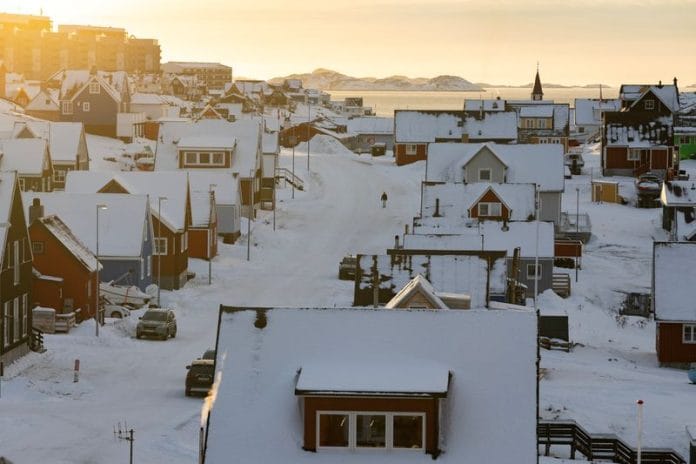
Trade anxiety returns to center stage at Davos
The World Economic Forum in Davos opened under the shadow of renewed transatlantic tension, as U.S. pressure linked to Greenland and talk of tariffs forced business leaders and policymakers to refocus on trade risk. Delegates who expected familiar themes—investment, growth, technology and climate—found themselves debating the economic costs of another round of tariff threats.
The discussions underscored a market reality: policy uncertainty can move faster than fundamentals. Investors and executives at the forum highlighted concerns that even limited tariffs can trigger broader retaliation, complicate cross-border supply chains, and chill capital spending when companies cannot forecast input costs or export demand.
Europe weighs countermeasures as companies brace for volatility
European officials signaled that countermeasures could be on the table if U.S. tariff plans advance, and business leaders warned that a tit-for-tat cycle would raise costs for consumers while amplifying geopolitical mistrust. Several executives described the risk that uncertainty itself becomes a drag, delaying hiring and investment decisions while markets swing on headlines.
Davos conversations also reflected a broader concern about fragmentation of global trade. Even when disputes are political in origin, the economic spillovers can be immediate: price spikes for targeted goods, rerouting of logistics, and renewed pressure on central banks if inflation risks rise.
- Backdrop: Davos discussions dominated by U.S.-Europe tension tied to Greenland
- Business worry: tariffs and retaliation can disrupt supply chains and planning
- Market effect: volatility rises as policy uncertainty grows
- Key question: whether diplomacy cools tensions before measures take effect
For executives, the main takeaway from Davos was not a single forecast, but the return of a familiar operating condition: plan for multiple trade scenarios, and assume politics can reprice markets quickly.