Markets remain on edge after Jan. 20 selloff tied to tariff threats and global volatility
After a sharp single-day downturn on Jan. 20, 2026, U.S. investors continued to weigh the economic fallout from tariff threats against NATO-aligned European countries. The episode hit major indexes and big technology stocks, and it amplified worries about how geopolitical shocks can spill into prices, trade and corporate earnings.
- Published
- Updated
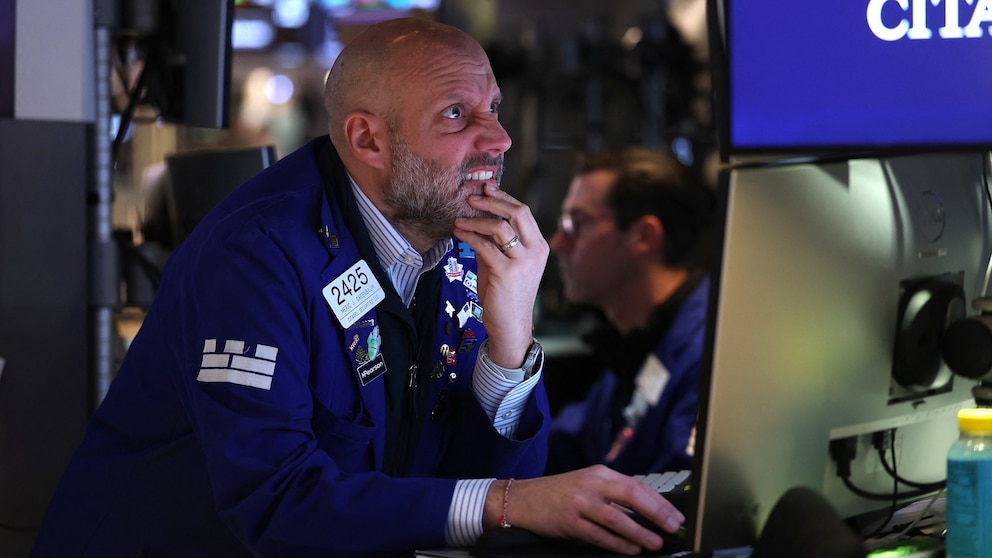
U.S. markets entered the final full week of January still digesting the sharp selloff that hit on Tuesday, January 20, 2026, when major indexes fell steeply amid heightened anxiety over new tariff threats. The single-day drop was described as the worst trading day for the S&P 500 since October 2025, and it reinforced how quickly policy uncertainty can translate into volatility. ([en.wikipedia.org](https://en.wikipedia.org/wiki/January_20%2C_2026_United_States_market_crash?utm_source=openai))
According to accounts of the episode, the downturn followed a series of tariff threats issued by President Donald Trump against several NATO-allied European nations. The market reaction was broad: the S&P 500 fell 2.1%, the Nasdaq Composite fell 2.4%, and the Dow Jones Industrial Average dropped roughly 870 points. While the move was not framed as a long-term crash, it was a significant shock that rippled through global trading. ([en.wikipedia.org](https://en.wikipedia.org/wiki/January_20%2C_2026_United_States_market_crash?utm_source=openai))
Megacap technology names were among the most pressured during the slide, a reminder that even companies with strong balance sheets can trade like “risk assets” when investors de-risk quickly. As money rotated, traders watched both defensive sectors and safe-haven assets for signs of stress, while corporate finance teams and CFOs were left to plan around a less predictable policy environment. ([en.wikipedia.org](https://en.wikipedia.org/wiki/January_20%2C_2026_United_States_market_crash?utm_source=openai))
For businesses, the key issue is less the single-day decline than the possibility of a sustained shift in trade conditions. Tariffs can flow through supply chains unevenly: importers may face higher input costs, exporters may face retaliation, and companies relying on cross-border components can see delivery schedules and margins destabilized. Even firms that do little direct trade can be affected through currency moves and softer consumer confidence.
That dynamic is particularly acute for manufacturers and retailers that operate on tight inventory cycles. A tariff headline can force last-minute procurement changes, re-pricing decisions, and a reset of earnings guidance—especially if counterparties abroad answer with their own restrictions. Investors, in turn, tend to punish uncertainty because it makes forward forecasts less reliable.
The January 20 shock also underscored the modern market’s sensitivity to political signals amplified through real-time media. In practice, even “threats” can be enough to move bonds, equities, and commodities because markets price probabilities rather than waiting for formal policy text.
In the near term, businesses and investors have been focusing on two questions: whether tariff rhetoric becomes concrete policy and whether allies respond in a way that changes trade volumes. Until those questions are answered, volatility itself becomes a cost—raising hedging expenses, complicating capital planning, and discouraging risk-taking just as many firms are trying to lock in growth for 2026. ([en.wikipedia.org](https://en.wikipedia.org/wiki/January_20%2C_2026_United_States_market_crash?utm_source=openai))