Winter storm forces grid operators and utilities into emergency posture as outages mount
A severe winter storm strained power systems across large parts of the U.S., prompting emergency actions by grid operators and heightened warnings about prolonged blackouts as ice and heavy snow damaged infrastructure.
- Published
- Updated
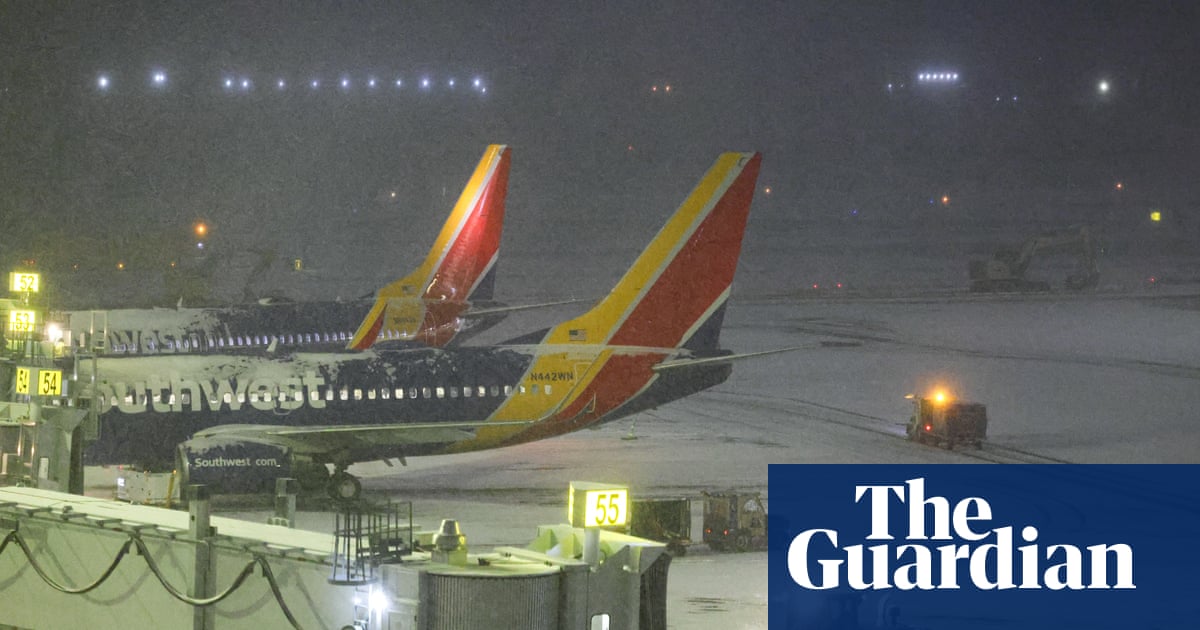
The sweeping winter storm hitting the United States on January 25, 2026, pushed power systems into a high-stress posture as ice and snow damaged lines, triggered widespread outages, and forced grid operators and utilities to deploy emergency measures to keep electricity flowing where possible.
Across multiple states, freezing rain proved particularly destructive, coating trees and distribution equipment with heavy ice. Utilities warned that restoration could take time because crews must work around downed lines, blocked roads, and continuing precipitation that can re-freeze repairs or topple additional branches.
Power outages can also cascade into economic disruption. Retail stores may close, manufacturing schedules can be interrupted, and freight networks can become unreliable when warehouses lose electricity and highways are unsafe. Even sectors that remain open often face staffing challenges when employees cannot travel or must care for households without heat.
Air travel disruptions added another layer of business impact. When airports face de-icing limitations and crews are displaced, cancellations ripple through the network and can affect supply chains that rely on air cargo, including time-sensitive medical shipments and high-value components for technology and industrial customers.
Energy officials emphasized operational flexibility, allowing grid managers to prioritize reliability under extreme weather conditions. Utilities mobilized mutual-aid crews, staged repair teams closer to anticipated damage zones, and coordinated with emergency management agencies for traffic control and public-safety messaging.
Businesses, especially those with critical operations like hospitals, data centers, and food distribution hubs, leaned on backup generation and contingency plans. Experts noted that even well-prepared facilities can face limits when fuel deliveries are delayed or when prolonged outages extend beyond expected timeframes.
The storm also highlighted the cost of winter resilience investments. Upgrading distribution equipment, trimming trees, hardening substations, and expanding grid visibility through sensors can reduce outage duration, but those projects require sustained spending and regulatory approvals that can take years.
As the storm progressed east, utilities urged customers to report outages, avoid downed lines, and conserve energy where possible. For many regions, the business story of the day was not only lost sales or delayed shipments, but the scramble to keep buildings warm, protect inventory, and return operations to normal once crews can safely complete repairs.