Measles resurges across the U.S., raising alarms about vaccination rates and elimination status
A growing measles resurgence has spread to much of the United States, with public-health experts warning that declining vaccination rates could jeopardize the country’s measles-elimination status and set the stage for other preventable outbreaks.
- Published
- Updated
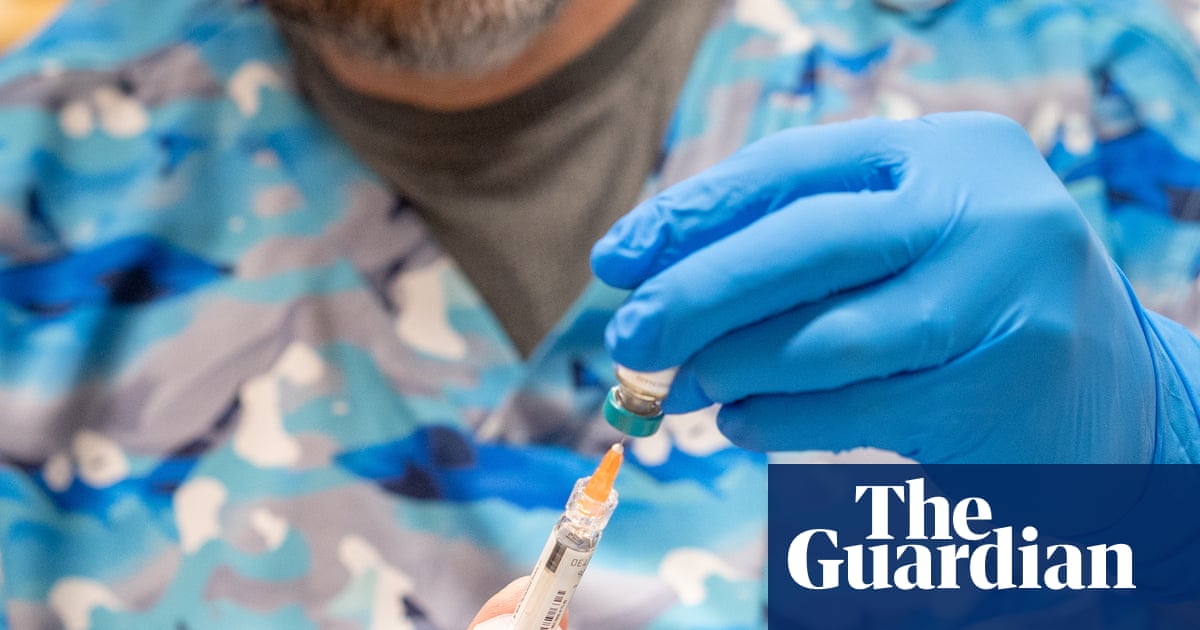
Measles is resurging across the United States after an outbreak that began in Texas about a year earlier spread into many states, raising concerns among public-health experts that the country’s measles-elimination status could be at risk.
The report said most infections have been detected in children who were not vaccinated with the MMR shot, and clinicians warned that measles can serve as an early indicator of broader vulnerability to vaccine-preventable diseases when immunization coverage slips.
Because measles is extraordinarily contagious, small declines in vaccination rates can create openings for rapid transmission, especially in communities with clustered exemptions or barriers to accessing routine pediatric care.
Public-health officials have emphasized that containment requires more than treating individual cases; it also involves contact tracing, quarantine guidance, school and childcare coordination, and renewed campaigns to increase vaccine uptake.
Experts interviewed in the report warned that if measles is able to circulate more persistently, other diseases kept in check by high immunization rates could return more frequently as well, increasing hospitalizations and placing new burdens on local health systems.
The report also described how misinformation and politicization around vaccines can complicate outbreak response, potentially slowing community acceptance of public-health recommendations and making it harder to stop transmission chains quickly.
As case counts rise, health departments and clinicians are urging families to check immunization status, follow guidance after exposure, and seek medical advice promptly for symptoms—steps that can reduce spread and protect vulnerable people who cannot be vaccinated.