Medical warnings intensify over hunger strike as doctor says detainee could die within days
A doctor warned that Palestine Action-linked detainee Umer Khalid, who resumed a hunger strike and began refusing water, could face life-threatening complications within days, raising renewed scrutiny of detention conditions and protest actions.
- Published
- Updated
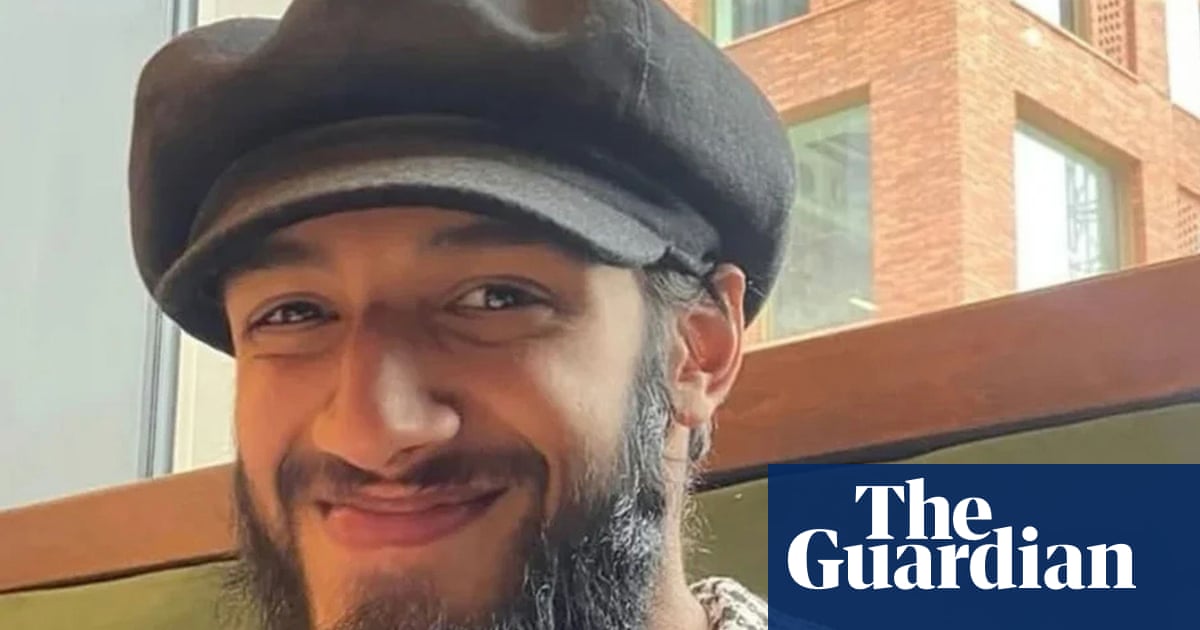
Doctor raises alarm as detainee refuses food and water
Medical concern is escalating around the condition of Umer Khalid, a 22-year-old prisoner linked to Palestine Action, after reports that he resumed a hunger strike and began refusing water. A doctor cited by campaigners warned that Khalid could die within days, with the risk amplified by his underlying health condition and the dangers of dehydration, including acute kidney failure.
The warning has intensified public attention on the case and the wider campaign by supporters, who describe the hunger strike as part of a protest against criminal charges and what they argue are unfair legal conditions. Khalid’s health status has been repeatedly referenced in appeals for intervention and monitoring, and it has also become a catalyst for demonstrations outside detention facilities.
Hunger strikes place prisons and health systems under pressure
Hunger strikes are often managed under strict medical observation, but the situation becomes especially urgent when a detainee stops drinking water. Supporters argue that this reflects desperation and a lack of meaningful avenues to address grievances. Officials generally point to clinical monitoring protocols, yet the ethical and legal tensions often sharpen as physical condition declines.
In this case, Khalid was reported to be the last remaining participant from a larger hunger strike campaign, with others having ended their strikes earlier. The developments have fueled debate about the intersection of protest, incarceration, and healthcare responsibilities, particularly when health risks are foreseeable and time-sensitive.
Why the story is resonating beyond one prison
The case has reverberated beyond the immediate legal dispute because it highlights how fast a political protest can become an acute medical emergency. As hunger strike conditions worsen, pressure typically increases on prison authorities, courts, and government officials to demonstrate that health safeguards are being applied and that detainees’ rights and welfare are being protected.