Pediatricians reaffirm broader 2026 vaccine schedule, diverging from scaled-back CDC guidance
The American Academy of Pediatrics released its 2026 immunization schedule, continuing to recommend routine vaccination against 18 diseases for children and adolescents. The guidance diverges from a revised CDC schedule that recommends fewer universally recommended vaccines, a split that is fueling debate among clinicians, parents, and policymakers.
- Published
- Updated
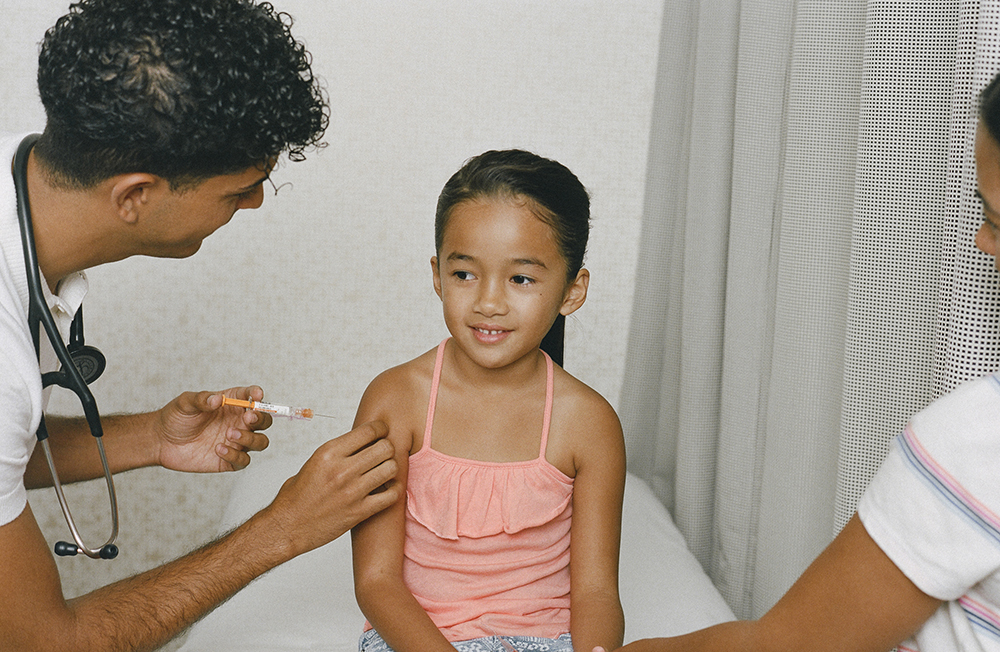
AAP publishes 2026 immunization schedule
The American Academy of Pediatrics (AAP) released its 2026 childhood and adolescent immunization schedule, keeping a broad set of routine vaccine recommendations largely consistent with prior years. The schedule reinforces the group’s long-standing position that widespread vaccination remains essential to preventing outbreaks and protecting community health.
The update lands in a period of heightened attention to U.S. vaccine policy. Coverage and briefing summaries report that the AAP’s schedule recommends vaccination against 18 diseases for all children, a larger universal set than the Centers for Disease Control and Prevention’s current schedule after recent changes reduced the number of universally recommended vaccines.
A public split with the CDC schedule
The AAP guidance differs from the CDC’s revised approach, creating an unusual public divergence between the nation’s largest pediatricians’ organization and federal public health recommendations. Pediatric leaders argue that the AAP schedule reflects extensive evidence, U.S.-specific disease risk, and practical realities in American healthcare delivery.
Clinicians note that vaccine schedules influence not just patient care but insurance coverage, school requirements, and parent decision-making. When major institutions diverge, it can create confusion in pediatric offices and complicate communication about which vaccines are considered routine versus risk-based.
What parents are likely to hear from pediatric offices
Many pediatric practices typically follow consensus guidance developed by professional organizations and public health agencies, but a split may mean families are advised to discuss risk factors and local epidemiology more closely with their clinicians. The AAP emphasizes that vaccines prevent diseases still circulating in U.S. communities and that maintaining high uptake reduces the chance of resurgence.
Public health experts generally encourage parents to rely on their child’s clinician and on high-quality medical sources when evaluating vaccine information. As the policy debate continues, pediatricians are likely to focus conversations on individual health needs while also explaining the broader community benefits of routine immunization.