Study warns gaps in CDC data updates could weaken U.S. outbreak detection and public trust
Researchers found that 46% of CDC surveillance databases that had been updated at least monthly stopped or delayed updates in 2025—many involving vaccination and respiratory illness—raising concerns that health officials could miss early outbreak signals.
- Published
- Updated
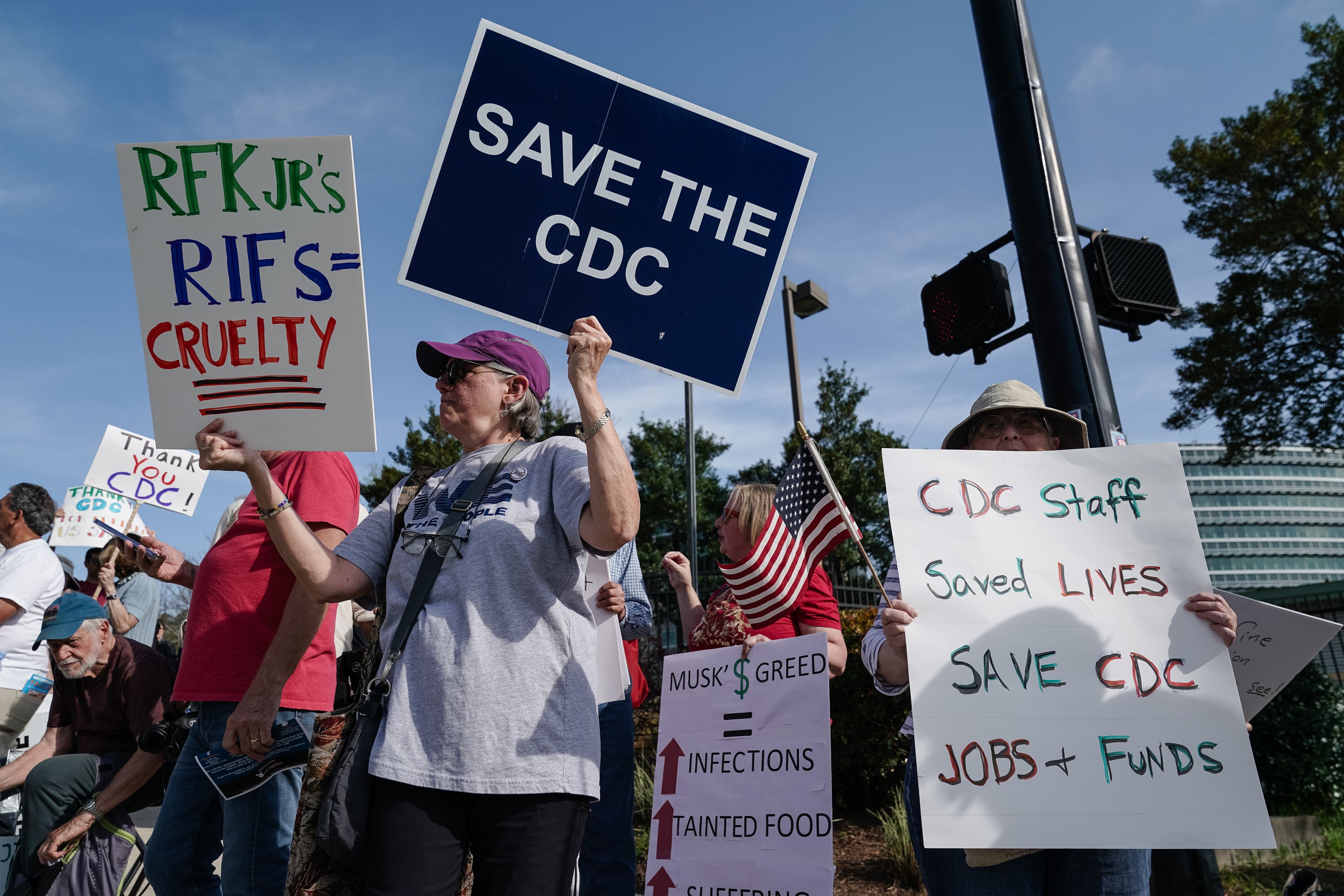
A new analysis has raised alarms about the reliability of U.S. public health surveillance, concluding that nearly half of key CDC databases stopped updating or experienced major delays in 2025. The findings suggest that decision-makers could face blind spots in tracking vaccine coverage, respiratory viruses, and other threats—precisely the kind of information needed to identify outbreaks early and respond quickly.
Researchers reviewed the CDC’s public data catalog and focused on 82 surveillance databases that previously had been updated at least monthly. They found that 46% had halted updates, most for more than six months. The majority of paused databases were related to vaccination and vaccine-preventable diseases, while others tracked respiratory conditions and drug overdose deaths.
The concern is not only technical; it is operational. Public health systems rely on regular data releases to spot unusual patterns—such as rising case counts in a region, dropping immunization rates, or a new surge in overdoses—and to direct resources toward prevention and response. Without timely data, local health departments may lose critical lead time.
The study’s authors recommended minimum transparency standards for federal surveillance systems, including clear public notices about which datasets are delayed, why updates stopped, and when publication will resume. In their view, unexplained pauses undermine evidence-based decision-making and can erode confidence among clinicians, policymakers, and the public.
An accompanying editorial warned that disruptions to surveillance data can have two harmful effects at once: they can delay recognition of outbreaks or escalating trends, and they can fuel confusion about what is happening in real time. Experts say those dynamics can weaken the effectiveness of public communication—especially during fast-moving health events.
Public health leaders argue that surveillance systems function like an early-warning network. If the network goes quiet, the result may not be immediately visible, but the consequences can be serious: slower responses, missed opportunities for targeted vaccination or mitigation, and a higher risk that small clusters become larger crises.
The report also highlights the challenge of replacing federal coordination with a patchwork of state or private efforts. While states collect much of the underlying data, national aggregation and standardized publication are central CDC roles. Building parallel systems outside the federal government would be costly and difficult to coordinate across jurisdictions.
Researchers and medical organizations say the goal is not only to restart updates, but to restore predictable reporting so clinicians and health agencies can plan interventions with confidence. As respiratory viruses and vaccine-preventable diseases continue to cycle seasonally, the study argues that routine, transparent data publication is a core element of national preparedness.