Tens of thousands of Kaiser Permanente workers strike over staffing and pay in California and Hawaii
Roughly 31,000 Kaiser Permanente health care workers in California and Hawaii walked off the job in an open-ended strike, with unions citing staffing, workload, and compensation disputes. Kaiser said facilities would remain open and described its wage offer as historically strong, setting up a high-stakes standoff affecting hospitals and clinics across the region.
- Published
- Updated
An open-ended strike across major facilities
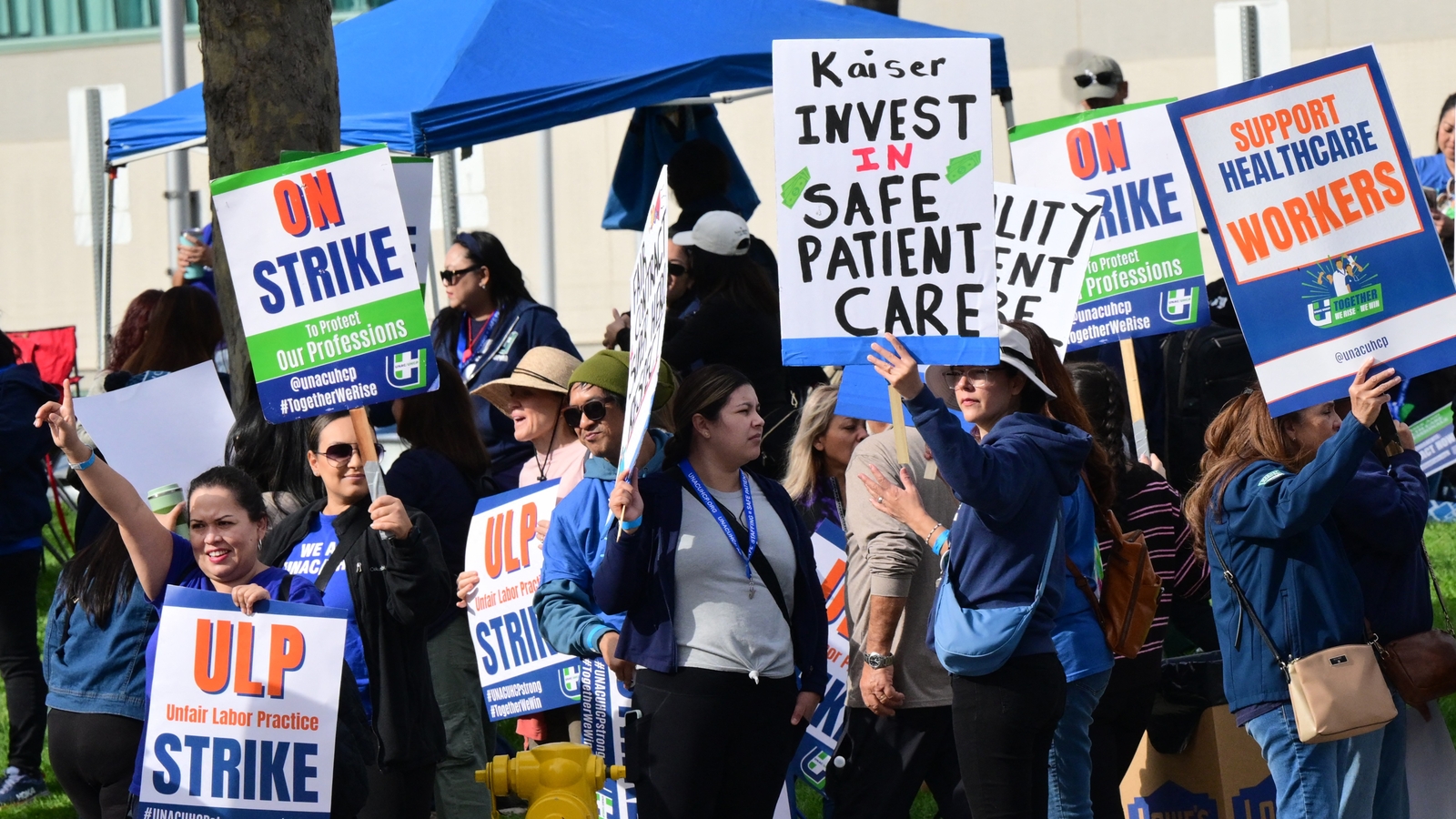
A large labor dispute hit one of the nation’s biggest health systems this week. About 31,000 Kaiser Permanente health care workers in California and Hawaii began a strike that union leaders described as open-ended, citing concerns about safe staffing, compensation, and what they argue are persistent workplace conditions that can delay care and strain clinicians.
The walkout includes a wide range of clinical professionals represented by the United Nurses Associations of California/Union of Health Care Professionals (UNAC/UHCP), including registered nurses and other specialized roles. Picket lines formed outside multiple Kaiser sites, and the action quickly became one of the most closely watched health-labor stories in the U.S. at the start of 2026.
Union demands: staffing, workload standards, bargaining conduct
Union messaging emphasized that staffing levels and workload standards are at the center of the dispute, arguing that chronic understaffing can create unsafe conditions and moral distress for caregivers. Labor leaders also pointed to bargaining frustrations and alleged unfair labor practices as factors behind the decision to strike.
In practical terms, staffing fights often involve more than headcount. They can include assignment caps, break coverage rules, float-pool protections, and patient-to-clinician ratios—details that directly shape daily operations and, in the union’s view, the quality and timeliness of patient care.
Kaiser’s position and patient impact
Kaiser Permanente said it had contingency plans to continue operations and noted that not all unions were participating. The company also highlighted its compensation proposal, describing it as among the strongest in its bargaining history, and argued that its pay levels compare favorably with other employers.
For patients, the immediate concern is service disruption. Kaiser has said facilities will remain open, but non-urgent appointments and elective procedures can be vulnerable during labor actions, and pharmacy hours can shift depending on staffing. The dispute’s length will determine whether the strike becomes a short-term disruption or a broader stress test for access to care in parts of California and Hawaii.