US flu activity dips for a second week, but experts warn the season may not be over
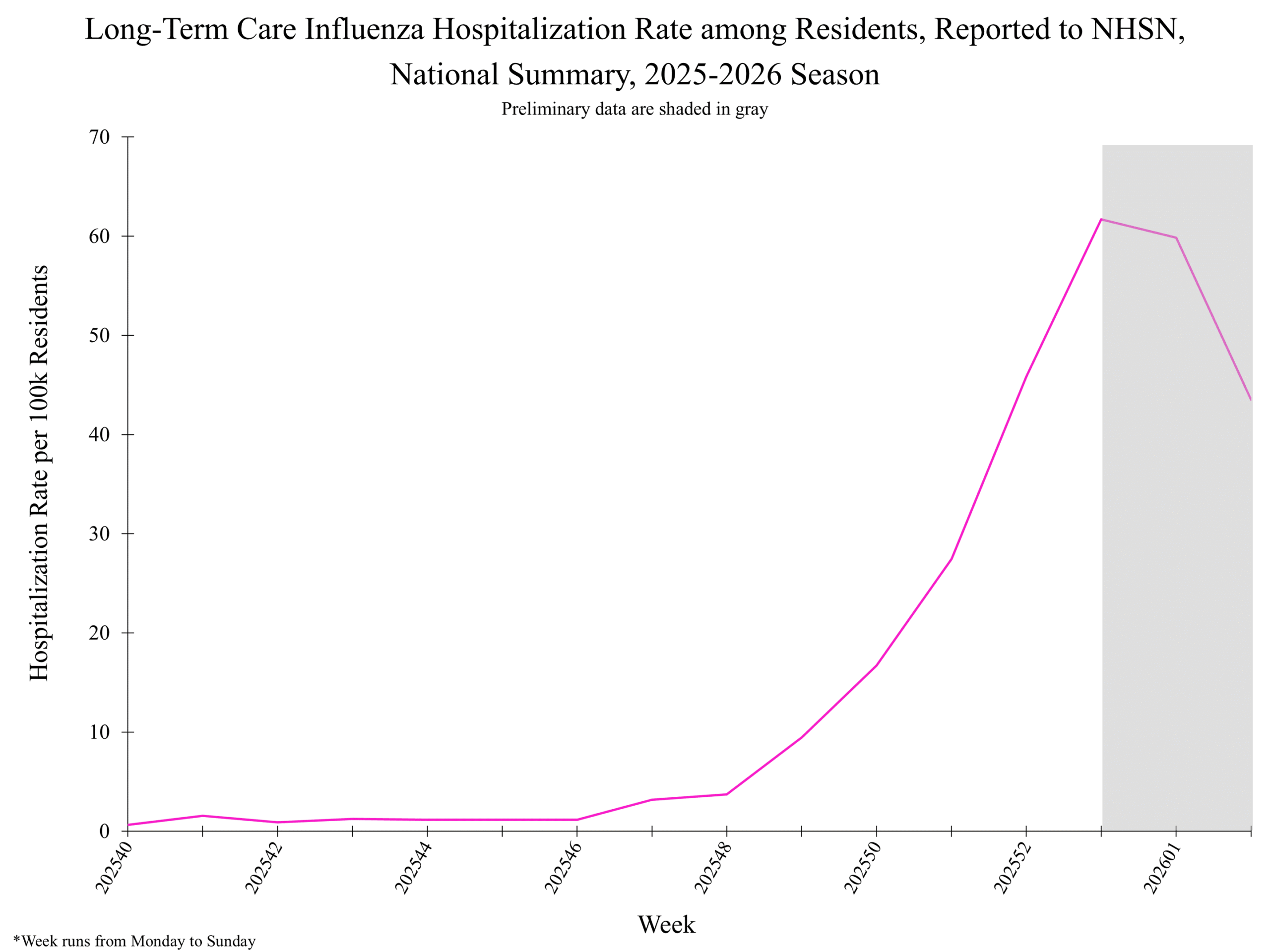
US flu indicators fell for a second straight week, including hospitalizations and clinic visits, but health experts cautioned that influenza often resurges after the holidays. A dominant H3N2 strain has been associated with more severe outcomes, and early data suggest much of the circulating virus may not be well matched to the season’s vaccine.
- Published
- Updated
Flu activity eases, but the trajectory can change
U.S. flu activity declined for a second consecutive week, according to recent Centers for Disease Control and Prevention tracking, with a notable drop in hospitalizations and a smaller but meaningful decrease in medical visits for flu-like illness. The number of states reporting high flu activity also fell, suggesting that at least one wave of influenza may be passing in many areas.
Public health experts urged caution in interpreting the downturn as the end of the season. Influenza patterns often include multiple peaks, and activity can rebound after school schedules, travel patterns and indoor gatherings shift. The CDC characterized the overall respiratory virus season as “moderate,” while noting that other major respiratory threats like COVID-19 and RSV were not experiencing large surges at the same time.
Why H3N2 seasons worry clinicians
This season has been driven largely by influenza A H3N2, a subtype that has historically been associated with more severe illness, especially among older adults. Clinicians pay close attention to H3N2 because it can strain hospitals and long-term care settings when transmission is high, and because vaccine effectiveness can vary depending on how well the shot matches the circulating strains.
Experts highlighted concerns about strain match, suggesting many infections involve a newer H3N2 strain that is not closely matched to the season’s vaccine. A mismatch does not mean the vaccine is useless—shots can still reduce severity and the risk of complications—but it can weaken protection against infection and contribute to sustained spread.
What people can do as winter continues
Health officials continue to recommend core measures as the season progresses: vaccination for those who have not yet gotten a flu shot, staying home when sick, improving indoor ventilation when possible, and considering masking in crowded indoor environments during local surges. Early antiviral treatment can help high-risk patients, especially when started soon after symptoms begin, so clinicians encourage prompt testing and medical advice for vulnerable groups.
The recent declines are encouraging, but experts caution that a second wave is plausible, particularly if weather and indoor gatherings increase opportunities for transmission. In practical terms, the message is to treat the downturn as a reprieve rather than a finish line, and to keep preventive habits in place through the remainder of winter.