NBA postpones Timberwolves-Warriors in Minneapolis after fatal shooting and protests raise safety concerns
The NBA postponed a Timberwolves-Warriors game in Minneapolis after a fatal shooting involving a federal officer and subsequent protests near the arena raised safety concerns. The decision highlights how civic unrest and public-safety conditions can rapidly reshape major sports scheduling.
- Published
- Updated
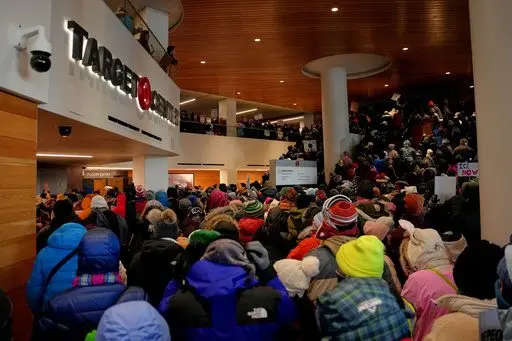
The NBA postponed a scheduled Minnesota Timberwolves–Golden State Warriors game in Minneapolis after the fatal shooting of 37-year-old Alex Pretti by a federal Border Patrol officer, with the league citing community safety concerns amid protests and heightened tensions in the area. The incident occurred a short distance from the Target Center, and the situation prompted a rapid reassessment of whether an event drawing thousands of fans could be held safely. ([apnews.com](https://apnews.com/article/60175e238176b61437a43368f17c1cba?utm_source=openai))
According to the report, the postponement came as protests grew and security resources were stretched. Large events can become flashpoints during periods of unrest—both because crowds concentrate in downtown cores and because road closures, transit disruptions, and law-enforcement redeployments complicate logistics for teams, arena staff, and emergency services. ([apnews.com](https://apnews.com/article/60175e238176b61437a43368f17c1cba?utm_source=openai))
The incident also illustrates a recurring challenge for sports leagues: deciding when public safety risks outweigh the economic and competitive pressures to play. Postponements affect travel plans, broadcast windows, ticketing, staffing, and competitive balance. But leagues have increasingly treated safety conditions around arenas—not just conditions inside them—as decisive, especially when tensions can change quickly. ([apnews.com](https://apnews.com/article/60175e238176b61437a43368f17c1cba?utm_source=openai))
Rescheduling details and broader coordination with local officials typically follow after the immediate risk assessment, but the underlying dynamic remains: when a major civic event triggers protests and heavy policing, sports organizations often have to make decisions in hours, not days—based on incomplete information and fast-moving conditions. ([apnews.com](https://apnews.com/article/60175e238176b61437a43368f17c1cba?utm_source=openai))
- What happened: game postponed due to safety concerns after a fatal shooting and protests.
- Why it matters: leagues increasingly weigh citywide conditions and crowd dynamics.
- What’s next: rescheduling and ongoing security planning as protests continue.