Australian Open explains Extreme Heat Protocol as temperatures surge in Melbourne
The Australian Open twice activated its Extreme Heat Protocol during the 2026 tournament, using a Heat Stress Scale to decide when to suspend outside play and close stadium roofs—steps aimed at preventing heat-related illness and ensuring consistent conditions.
- Published
- Updated
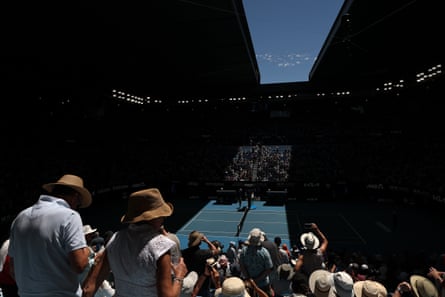
The Australian Open triggered its Extreme Heat Protocol again on Tuesday as temperatures climbed in Melbourne, placing player safety at the center of tournament operations. The policy—built around a Heat Stress Scale from 1 to 5—guides officials on when to add cooling measures, suspend play on outdoor courts, and close roofs on the major stadiums.
The Heat Stress Scale accounts for multiple weather variables rather than a single thermometer reading. Tournament officials consider air temperature, radiant heat, humidity, and wind speed to determine how dangerous conditions are for athletes competing at high intensity under the sun.
When the index reaches level 5, the tournament automatically suspends play on outside courts in men’s and women’s singles and closes roofs on the three main arenas at Melbourne Park. The referee also has authority over match timing, including when play can resume, and players must be given at least 30 minutes’ notice before returning to the court.
The protocol was used earlier in the tournament during a match involving Jannik Sinner and was activated again on Day 10 after Aryna Sabalenka’s quarterfinal win. With the heat rising, organizers closed the roof for Alexander Zverev’s match against Learner Tien, shifting the contest into more controlled indoor conditions.
At level 4, the tournament can impose an additional 10-minute break at specified points—between the second and third sets in women’s singles and between the third and fourth sets in men’s singles—giving players a structured cooling window beyond the usual changeovers.
On Tuesday, temperatures at the tournament site peaked at just over 42°C (108°F), slightly below earlier forecasts that had suggested a possible 45°C (113°F). In the final match of the day, the roof was reopened for Carlos Alcaraz’s quarterfinal victory over Alex de Minaur, with officials balancing ventilation and heat exposure as conditions eased.
Tournament organizers introduced the Heat Stress Scale in 2019 to standardize decisions across courts and reduce the risk of heat-related illness. In a sport where match length can be unpredictable, officials say consistent rules are essential to prevent dangerous improvisation and to keep players, umpires, ball kids, and fans safe.
A significant temperature drop was forecast for Wednesday, when Melbourne was expected to return to more moderate summer conditions. But the repeated use of the protocol during this year’s tournament has reinforced how frequently elite events may need heat policies as extreme-weather days become more common.