CES 2026 spotlight: AI chips, ‘physical AI,’ and robotics take center stage in Las Vegas
CES 2026 opened with heavy emphasis on AI chips and robotics, with Nvidia, AMD, and Intel showcasing new platforms while automakers and consumer brands pushed deeper into autonomous and AI-enabled products.
- Published
- Updated
CES 2026 opened in Las Vegas with artificial intelligence woven into nearly every major product pitch, as chipmakers and consumer brands competed to define what comes after the first wave of generative AI. The show’s early headlines centered on new processors, platform strategies, and robotics demonstrations that aimed to move AI from chat windows into machines, vehicles, and everyday devices.
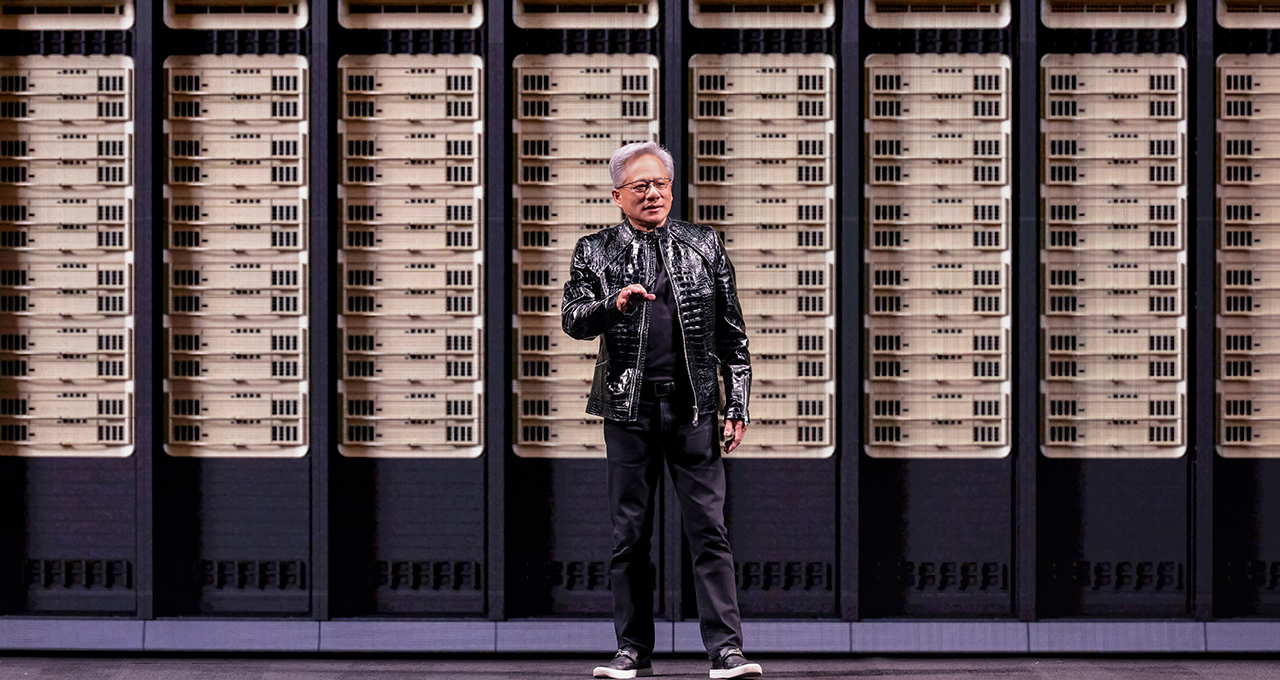
Nvidia used its keynote to emphasize what it calls “physical AI,” describing models trained in simulated environments with synthetic data and then deployed into real-world systems. The company previewed new AI models and a next-generation chip platform roadmap, arguing that the next big market will be AI that can operate within the constraints of physics—navigating space, handling objects, and interacting with humans and factories.
AMD and Intel also leaned into the arms race for on-device and edge AI. AMD highlighted new Ryzen AI chips and gaming-focused processors, while Intel showcased upcoming chip architecture and pushed its broader ecosystem narrative for PCs and handheld gaming. The overall message was consistent: the next phase of consumer computing will be shaped by specialized AI acceleration embedded directly into hardware.
Beyond chips, partnerships signaled how quickly AI is spreading across sectors. Autonomous-vehicle ambitions resurfaced with new collaborations, while robotics and smart-home concepts reappeared in multiple forms—from humanoid helpers to playful consumer robots designed to demonstrate real-time perception, movement, and interaction.
For consumers, the near-term impact may show up as PCs that run AI features locally, more capable digital assistants, and incremental improvements in cameras, translation, and personalization. For companies, the show reinforced a competitive truth: owning the platform—silicon, software, and developer tools—may matter as much as any single gadget.
CES often mixes spectacle with signal, but this year’s early through-line was clear: AI is no longer a feature being added to products; for many manufacturers, it is becoming the organizing principle for how products are built, marketed, and updated over time.