DOJ forms AI task force to challenge state rules after Trump executive order seeks national AI framework
The Justice Department is creating a task force to challenge certain state AI regulations, citing concerns that a patchwork of state rules could burden companies and slow innovation. The move follows a Trump executive order calling for a minimally burdensome national policy and directing federal officials to identify state laws for potential legal action.
- Published
- Updated
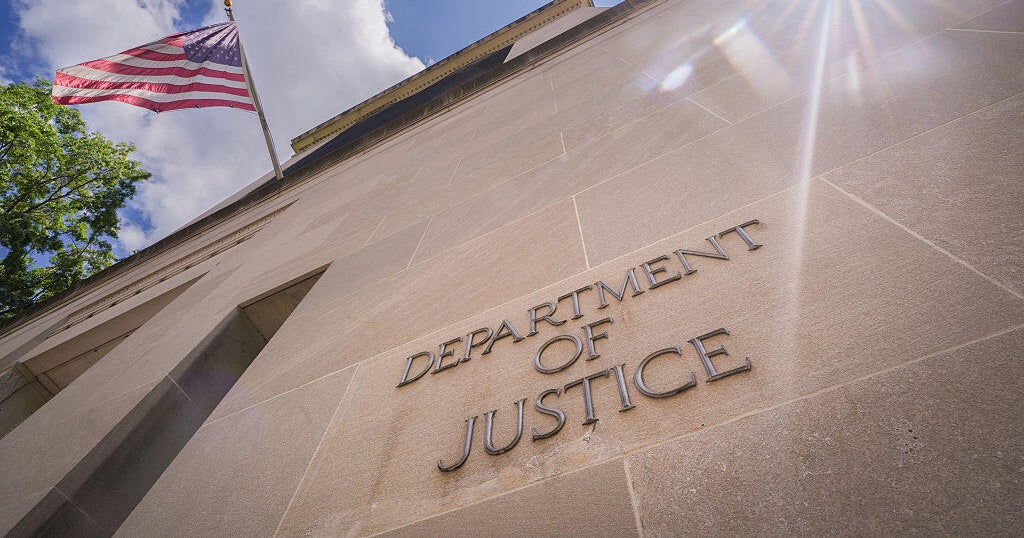
The U.S. Justice Department is creating a new artificial intelligence task force designed to challenge certain state-level AI regulations, according to reporting that cites an internal memo. The effort is framed as a way to keep AI companies “free to innovate” by reducing what federal officials describe as overlapping or conflicting state rules that could hinder development and deployment. ([cbsnews.com](https://www.cbsnews.com/news/doj-creates-task-force-to-challenge-state-ai-regulations/?utm_source=openai))
The move follows a Trump administration executive order issued in December 2025 that calls for a national AI policy framework and explicitly directs the Attorney General to establish an AI Litigation Task Force to challenge state AI laws deemed inconsistent with federal policy. The order also directs the Commerce Department to publish an evaluation of state AI laws and identify those viewed as especially burdensome or in conflict with constitutional protections. ([whitehouse.gov](https://www.whitehouse.gov/presidential-actions/2025/12/eliminating-state-law-obstruction-of-national-artificial-intelligence-policy/?utm_source=openai))
Supporters of federal intervention argue that interstate technology markets make compliance across dozens of state regimes costly, especially for companies operating nationwide. Critics counter that states have been acting because federal AI legislation remains limited and because AI systems already shape high-stakes decisions—jobs, housing, credit and more—creating pressure for transparency and safeguards against discrimination or harm. ([washingtonpost.com](https://www.washingtonpost.com/business/2025/12/11/trump-ai-regulation-executive-order-state-laws/65fd1a00-d6f5-11f0-a93c-a869cf73ebd6_story.html/?utm_source=openai))
In practice, the key question is how courts will evaluate conflicts between state consumer-protection or civil-rights style requirements and a federal push for uniformity. The task force’s actions could influence which compliance obligations become standard across the industry and which are narrowed or blocked, potentially setting precedents that affect not only AI developers but also employers, lenders, landlords, and public agencies that deploy AI tools. ([whitehouse.gov](https://www.whitehouse.gov/presidential-actions/2025/12/eliminating-state-law-obstruction-of-national-artificial-intelligence-policy/?utm_source=openai))
- Federal posture: build a national framework and contest state laws viewed as conflicting.
- State posture: regulate now to address real-world harms and transparency gaps.
- Next to watch: which specific state statutes the task force targets first and how courts rule.