Micron to buy Taiwan semiconductor plant for $1.8 billion as memory demand climbs with AI boom
Micron said it will acquire a semiconductor manufacturing facility in Taiwan for $1.8 billion, a deal aimed at expanding capacity as demand for memory products rises alongside AI data center growth. The transaction, expected to close in 2026 pending approvals, highlights the strategic importance of semiconductor supply chains in an era of tight capacity and rising prices.
- Published
- Updated
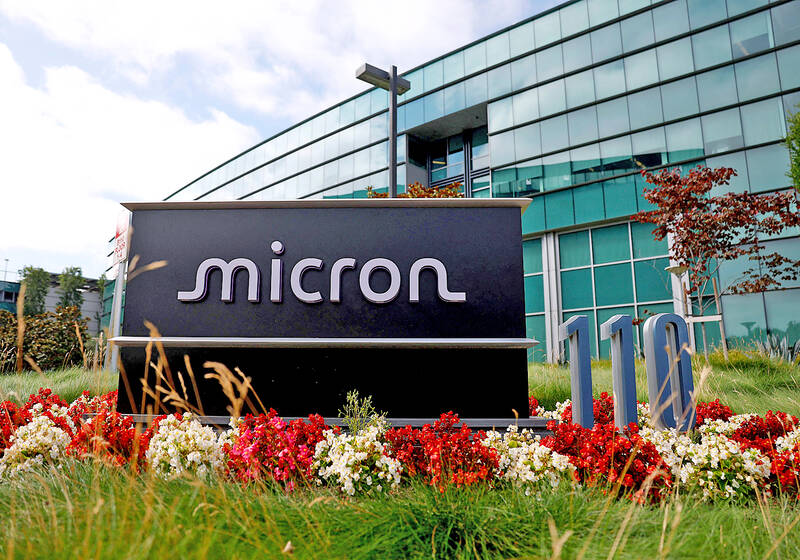
A capacity play as memory becomes an AI bottleneck
Micron Technology announced plans to purchase a semiconductor manufacturing facility in Taiwan for $1.8 billion in cash, a move designed to strengthen its manufacturing footprint amid surging global demand for memory. The facility, located in Miaoli County, is expected to support Micron’s longer-term plans to expand DRAM output in phases after the deal closes.
The transaction reflects a broader industry shift: as artificial intelligence workloads expand, data centers are consuming more high-performance memory, and the competition for capacity can ripple across the entire electronics market. When supply tightens, prices and lead times can rise, affecting everything from servers and PCs to mobile devices.
How the deal is structured and what comes next
Micron said the purchase is subject to regulatory approval and is expected to be completed by the second quarter of 2026. The facility includes a large 300mm fab cleanroom, and Micron expects to equip it to produce DRAM in stages, with meaningful production contribution projected further out.
Beyond the headline price tag, the deal signals how chipmakers are balancing speed and risk. Building a greenfield fab can take years, while acquiring an existing facility can accelerate timelines—though retrofitting for modern nodes and qualifying output still requires significant investment and engineering work.
Why it matters
- Memory is increasingly central to AI infrastructure performance and cost.
- Additional capacity can help smooth shortages, but new output takes time to ramp.
- The deal underscores Taiwan’s continuing importance to global semiconductor manufacturing.
- Investors will watch for margin impacts as Micron balances expansion costs with pricing cycles.
As the AI buildout continues, companies across the semiconductor stack are repositioning to secure supply, shorten ramp timelines, and reduce exposure to sudden shifts in trade policy and geopolitics.