Nvidia rolls out open ‘physical AI’ models and robotics stack updates, aiming for a ChatGPT-like moment for robots
Nvidia unveiled new open models and frameworks for robotics at CES 2026 and deepened ties with the open-source community, positioning its hardware and software stack as a foundation for next-generation robots.
- Published
- Updated
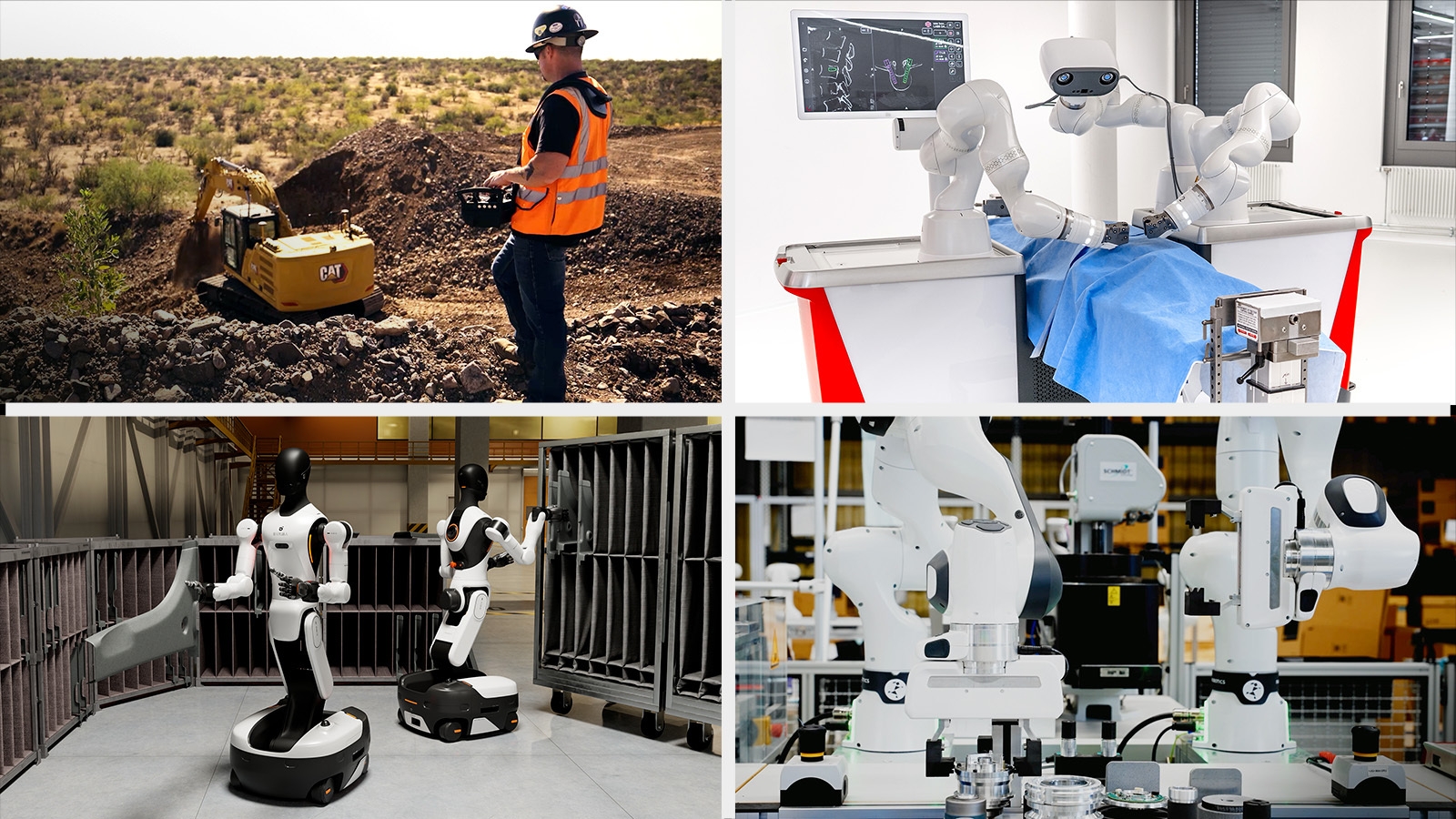
Nvidia used CES 2026 to announce a new set of “physical AI” tools aimed at accelerating how robots are trained, evaluated, and deployed. The company positioned the update as an attempt to make general-purpose robots more realistic by combining open models, simulation infrastructure, and edge-to-cloud workflow tooling.
In a press release dated January 5, 2026, Nvidia said it is releasing new open models and data for robot learning and reasoning and expanding its robotics developer ecosystem. The company highlighted new Cosmos models, the Isaac GR00T model family for humanoid-focused reasoning and action, and Isaac Lab-Arena for evaluation and benchmarking.
A central theme was openness and distribution. Nvidia said the models are available on Hugging Face and that it is integrating Nvidia Isaac open models and libraries into the LeRobot framework to make it easier for developers to fine-tune and evaluate robotics systems without starting from scratch.
Nvidia also emphasized workflow complexity as a key bottleneck in robotics. It introduced OSMO, described as an orchestration framework intended to unify steps such as synthetic data generation, model training, and software-in-the-loop testing across workstations and cloud instances—reducing friction for teams building advanced robotics products.
On the hardware side, Nvidia promoted new Jetson modules and the broader Jetson robotics processor family as the edge foundation for robotics. The goal is to keep heavy reasoning and perception close to the robot while still enabling cloud-based training and scaling, especially for humanoids and mobile manipulators.
The company said partners including Boston Dynamics, Caterpillar, and other robotics firms are debuting robots built on Nvidia technologies. The announcements underscore a strategy: provide an end-to-end stack—chips, simulation, models, and dev tooling—so that robot makers standardize on Nvidia in the same way many app ecosystems standardized on major mobile platforms.