Verizon outage disrupts U.S. wireless service; company says issue tied to software
Verizon suffered a widespread U.S. outage on January 14 that interrupted voice, text, and data for many customers. Verizon later said it was caused by a software issue and that it was not a cyberattack.
- Published
- Updated
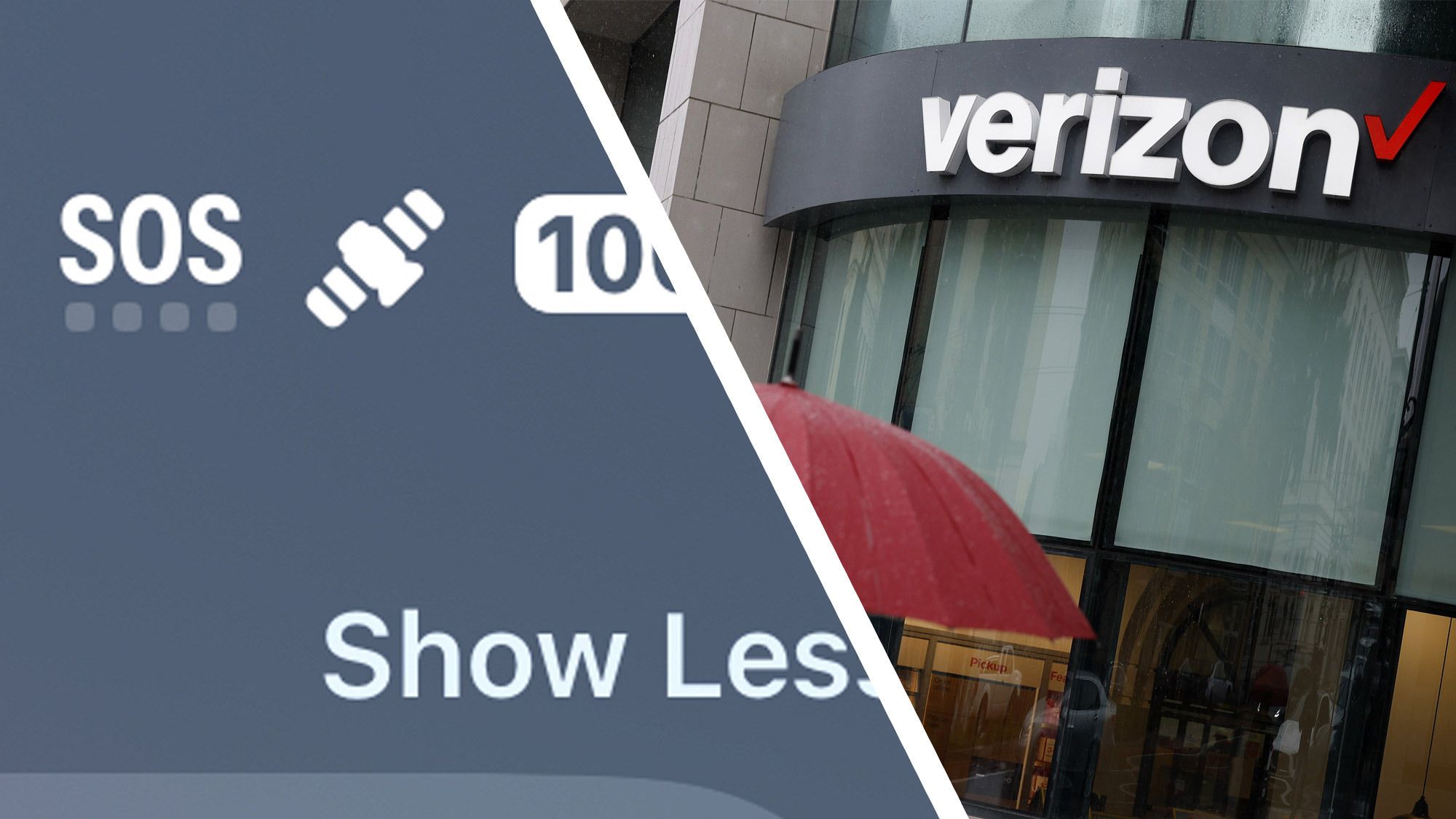
Verizon experienced a widespread network outage on January 14, 2026, disrupting wireless voice calls, text messages, and mobile data across parts of the United States and leaving many users with limited connectivity during the incident.
Reports surged on outage-tracking services, and customers in multiple major metro areas described phones switching to “SOS” or similar indicators rather than showing normal signal bars. Verizon acknowledged the problem publicly while engineers worked to restore service.
In a later statement shared with TechRadar, Verizon said the disruption was caused by a software issue and that it was conducting a full review. The company also said there was no indication at that time that the outage was related to a cybersecurity incident.
Regulators also took notice. The outage drew scrutiny from federal officials, with reporting indicating the Federal Communications Commission planned to investigate the incident’s impact, including possible public-safety implications and communications resilience.
Large-scale carrier outages can ripple beyond consumer inconvenience, affecting small businesses that rely on mobile payments and two-factor authentication, commuters dependent on navigation, and customers who use cellular connections as their primary home internet option.
The episode renewed attention on the complexity of nationwide telecom infrastructure, where software changes, routing issues, or core network faults can propagate quickly and produce disruptions that appear simultaneously across distant regions.
As Verizon reviews the failure, customers and policymakers are likely to ask for clearer timelines, stronger redundancy planning, and more transparent post-incident reporting about what went wrong and what will change to reduce the risk of a repeat.