SpaceX set to launch GPS satellite on Falcon 9 after switch from ULA Vulcan
SpaceX prepared for a late-night Falcon 9 mission carrying a GPS satellite, a flight that follows a launch-provider switch from ULA’s Vulcan rocket and highlights ongoing reshuffling in U.S. national-security and civil space logistics.
- Published
- Updated
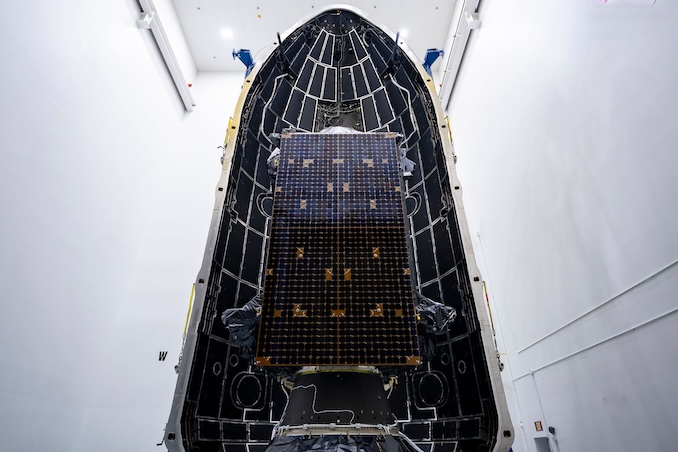
A high-profile GPS mission moves to Falcon 9
SpaceX is preparing to launch a GPS satellite on a Falcon 9 rocket, with the mission scheduled for late Monday night, January 26, 2026, from Cape Canaveral Space Force Station in Florida. The flight follows a change in launch planning that shifted the satellite from United Launch Alliance’s Vulcan rocket to SpaceX’s Falcon 9, underscoring the dynamic state of U.S. launch procurement and manifest management.
GPS satellites are foundational infrastructure for navigation, precision timing, and critical services across the civilian economy and the military. As a result, mission assurance—ensuring the satellite reaches its intended orbit reliably—often drives conservative scheduling, extensive testing, and careful vendor decisions.
What the switch says about launch capacity
The transition of a GPS mission to Falcon 9 reflects both the demand for dependable launch availability and the practical reality that national programs must keep satellites moving through the pipeline. With multiple rockets and providers in the U.S. ecosystem, schedules can change if readiness, certification milestones, or launch-range constraints shift.
For SpaceX, the assignment adds to an already active cadence. For the broader industry, it highlights how government customers balance competition, redundancy, and schedule certainty while attempting to maintain multiple viable launch systems.
How a GPS mission differs from many commercial launches
Unlike many commercial payloads that can sometimes tolerate more flexibility in launch windows and orbits, GPS missions are closely tied to constellation management. Launch timing can affect how quickly a satellite can be checked out, positioned, and integrated into operations. Reliability requirements and mission profiles also drive extensive tracking and coordination, including with the Eastern Range and multiple ground networks.
The mission is expected to draw attention from space-industry observers because it combines a high-value, high-visibility national capability with a prominent example of how launch manifests evolve in response to program needs.
What to watch on launch night
- Any updates to the launch time due to weather or range constraints
- Booster recovery plans and whether a landing is attempted after deployment
- Post-launch confirmation of spacecraft separation and early-orbit health checks
If successful, the launch will add new capability to the GPS constellation while reinforcing Falcon 9’s role as a major workhorse for both commercial and government missions.