Trump’s Gaza ‘Board of Peace’ plan meets new resistance as Greenland threats strain alliances
A U.S.-backed proposal to oversee a Gaza ceasefire is losing diplomatic traction as European leaders recoil from Washington’s Greenland rhetoric and broader confrontational moves, raising doubts about who will join—or recognize—the initiative.
- Published
- Updated
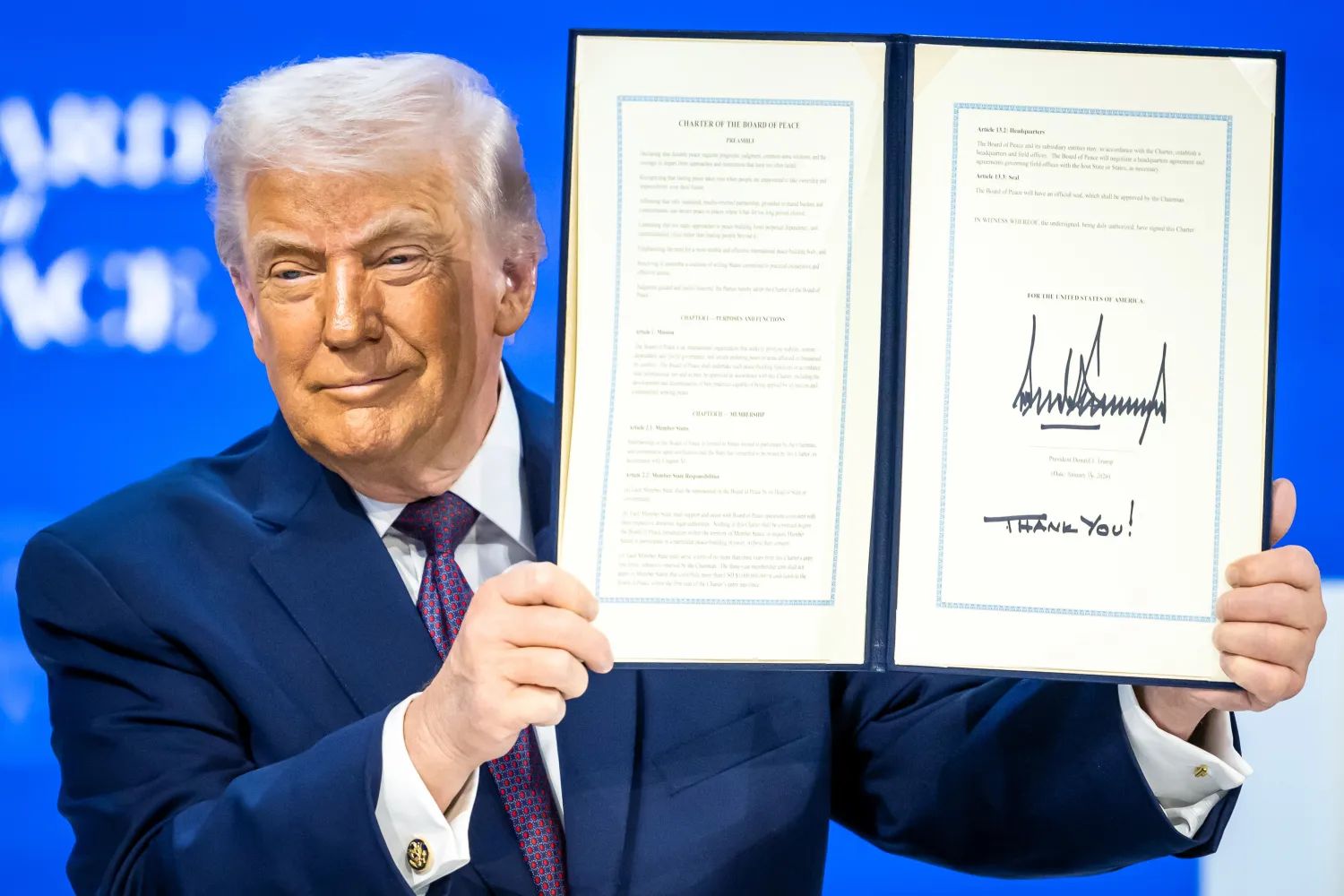
An ambitious U.S. initiative meant to steer a Gaza ceasefire and post-war governance is facing a growing international credibility problem, as friction with European allies intensifies over separate disputes—most visibly the U.S. president’s renewed threats and rhetoric about Greenland. The diplomatic spillover has left partners questioning whether Washington is seeking coalition-building or confrontation.
At the center of the plan is a U.N. Security Council-backed framework that the administration has branded a “Board of Peace,” intended to coordinate ceasefire oversight and longer-term stabilization steps in Gaza. But the project now appears to be struggling to win broad buy-in from traditional U.S. partners, particularly in Europe, where officials worry the board could be used to sideline established international institutions or legitimize controversial power plays.
According to U.S. and foreign officials familiar with the discussions, invitations have been sent widely, yet only a small number of leaders have signaled willingness to participate. European governments have publicly and privately expressed concern that the board’s design is too closely tied to the administration’s personal diplomacy and lacks a clear, consistent operating framework.
The backlash has been sharpened by the administration’s increasingly hard-edged posture toward NATO partners, including threats of tariffs and suggestions of coercive territorial ambitions. European diplomats say those steps make it harder for them to defend coordination with Washington at home—especially on an issue as politically sensitive as Gaza.
Supporters of the plan argue it offers a pragmatic alternative to stalled negotiations and entrenched positions, and they insist the board is meant to accelerate results rather than compete with the U.N. Critics counter that credibility depends on predictability and alliance management, and they warn that an approach perceived as unilateral could slow the very ceasefire it claims to advance.