Trump’s Greenland push strains MAGA ties with Europe’s far right, AP reports
European far-right parties that once celebrated their ideological proximity to Trump are now criticizing his Greenland ambitions, highlighting a growing split in a movement built around nationalism and sovereignty.
- Published
- Updated
Brussels politics is absorbing shock waves from Washington after President Donald Trump’s renewed push to take control of Greenland sparked backlash not only from mainstream European leaders but also from parties on the far right that had previously touted their alignment with MAGA. The dispute has widened into a broader argument about sovereignty, interventionism and whether ideological affinity can survive hard geopolitical pressure.
According to reporting from the Associated Press, major far-right figures and parties in France, Germany and Italy have publicly criticized Trump’s Greenland posture, framing it as coercive and incompatible with nationalist principles. Even longtime Trump ally Nigel Farage described the move as hostile, underscoring how the Greenland issue cuts across the usual alliances.
The tension has also surfaced inside European institutions. During a debate in the European Parliament, lawmakers typically sympathetic to Trump backed moves to halt or slow a potential EU–U.S. trade pact, citing unease with threats tied to Greenland. The episode illustrates how quickly foreign policy disputes can translate into commercial and legislative pushback.
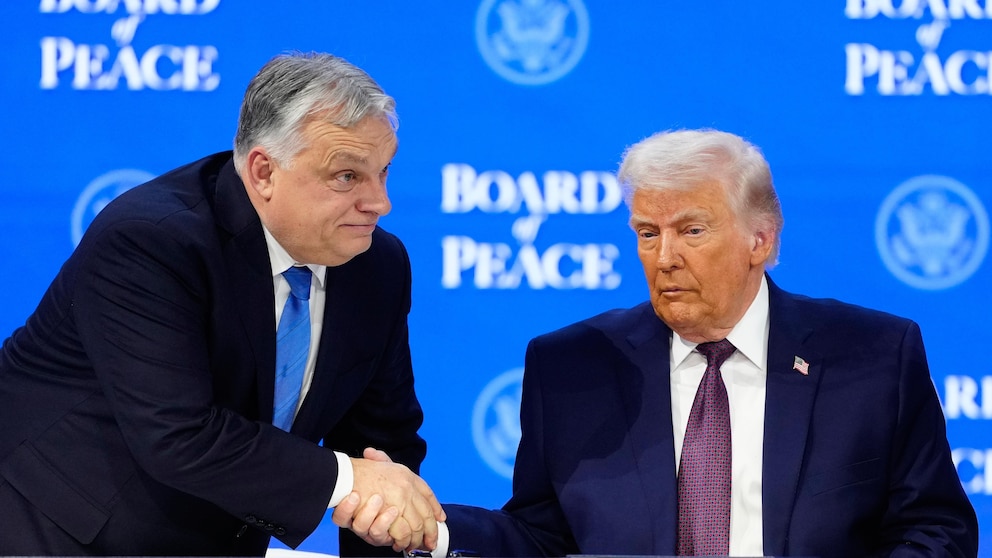
AP notes that the discomfort is not uniform. Some leaders on Europe’s eastern flank, including Hungary’s Viktor Orbán, have been far more cautious about criticizing Trump directly, often emphasizing that disputes should be handled diplomatically or within NATO structures. Their restraint reflects domestic political incentives as well as longstanding strategic calculations about relations with the U.S.
For Europe’s far right, Greenland is an awkward stress test: parties that campaign against foreign interference are now being asked to explain how a U.S. attempt to pressure Denmark and Greenland squares with their own rhetoric. For MAGA-aligned figures in the U.S., the rift shows that “America First” policies can collide with the priorities of international partners, even those who share messaging on immigration and national identity.
Whether the split is lasting remains unclear, but the Greenland dispute has already revealed fractures that could complicate coordination across the Atlantic on trade, security and elections in multiple European countries.