U.S. envoys press Israel to advance Gaza ceasefire into a second phase
Senior U.S. envoys met with Israel’s prime minister to push for progress on the next phase of a Gaza ceasefire deal, including steps tied to hostage-related issues and border crossing arrangements. Talks also centered on security mechanisms, potential international monitoring and conditions for moving toward longer-term stability.
- Published
- Updated
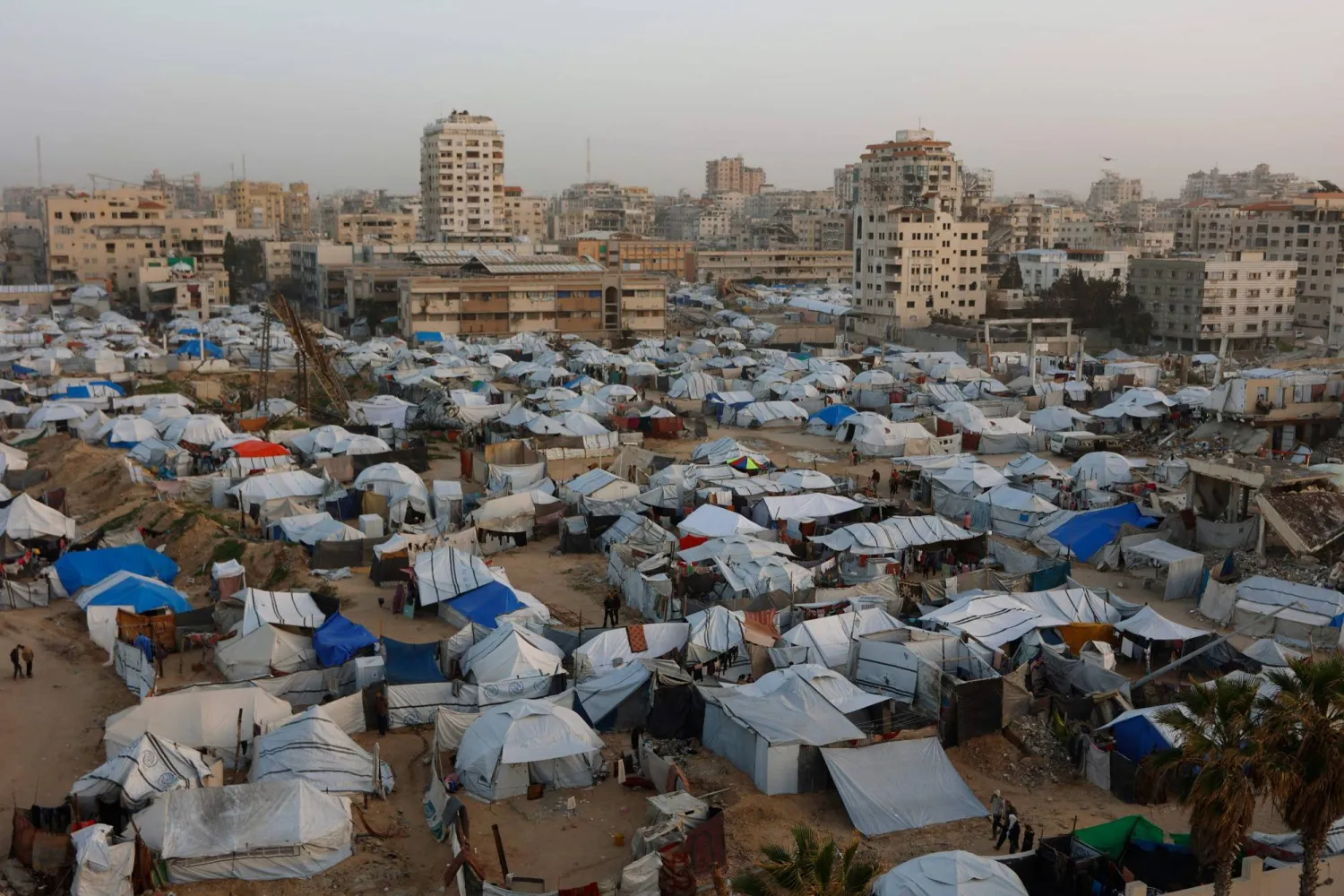
Top U.S. envoys traveled to Israel to urge Prime Minister Benjamin Netanyahu to move the Gaza ceasefire forward into a second phase, emphasizing that the next stage of the deal will require politically difficult decisions and clear, verifiable steps on the ground. The effort is part of an ongoing U.S. push to sustain the truce and prevent a return to large-scale fighting, while addressing hostage-related issues that remain central to the agreement’s sequencing.
According to officials familiar with the discussions, a key point in the second phase involves arrangements connected to the remains of an Israeli hostage still held by Hamas. Mediators have treated the case as an important test of whether the parties can meet commitments and manage sensitive logistical requirements, including access for recovery operations and communications channels that can function even during tense periods.
Diplomats also focused on the Rafah border crossing between Gaza and Egypt, which has been a critical chokepoint for aid, movement and security screening. Egyptian officials have pressed for a reopening, and discussions have included how any resumption of traffic could be supervised, what role international actors might play, and how to reduce the risk that the crossing becomes a flashpoint for renewed clashes.
Talks have included proposals for some form of monitoring mechanism, potentially involving international personnel, to address Israeli demands for security safeguards and Palestinian demands for greater freedom of movement. Another contentious area is the question of Israeli troop withdrawals and the timeline for repositioning forces, which is tied to both domestic politics and military risk assessments.
The negotiations unfolded against continued violence that has tested the ceasefire’s durability. Reports of deadly incidents inside Gaza have fueled anger and mistrust, complicating the diplomatic effort and raising fears that a single escalation could trigger a wider breakdown. Each side has disputed facts around specific strikes and casualties, highlighting the difficulty of maintaining calm without robust deconfliction procedures.
U.S. officials framed the current moment as an opportunity to translate an initial cessation of hostilities into a longer-term pathway that addresses security, governance and humanitarian conditions. But they also acknowledged that the second phase will be harder than the first, because it forces the parties to confront unresolved questions about Gaza’s future, the terms of any demilitarization and what accountability and oversight structures would look like.