U.S. envoys press Israel to move into Gaza ceasefire’s next phase, with Rafah crossing at the center
Top U.S. envoys met Israel’s prime minister to push the Gaza ceasefire toward a second phase that could include reopening the Rafah crossing, international monitoring arrangements, and steps tied to recovering the remains of the last hostage still in Gaza.
- Published
- Updated
Diplomacy focused on the ceasefire’s next steps
Senior U.S. envoys met with Israeli Prime Minister Benjamin Netanyahu on Saturday, Jan. 24, 2026, urging movement into the second phase of the Gaza ceasefire. The talks included Trump envoy Steve Witkoff and Jared Kushner, according to officials, and came as Washington sought to keep the Trump-brokered deal from stalling under political and security pressures.
A core issue is the recovery of the remains of Ran Gvili, described as the last hostage still in Gaza. Israeli leaders face internal pressure over sequencing: whether to advance broader steps in the agreement before Hamas returns the remains, and what conditions should govern demilitarization and security arrangements.
Rafah crossing seen as a major signal of phase two
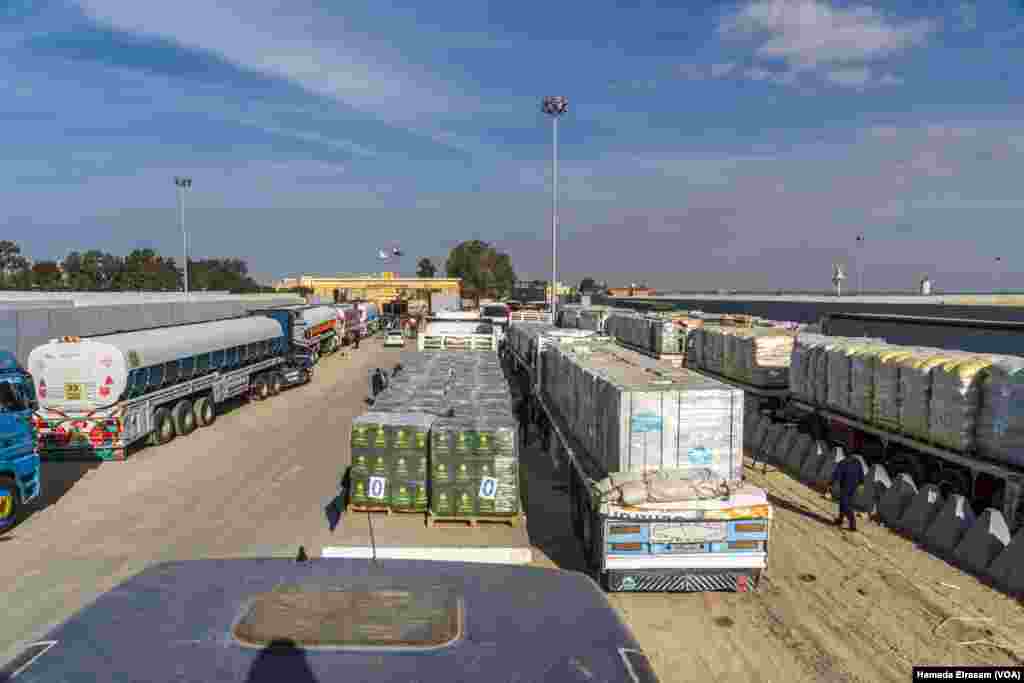
The Rafah border crossing between Gaza and Egypt is widely viewed as a defining test for the ceasefire’s next phase. Ali Shaath, presented as the head of a future technocratic government expected to handle day-to-day administration in Gaza, said the crossing would open in both directions in the coming week. Israel had not confirmed the timeline, and officials indicated the matter would be considered in a Cabinet meeting on Sunday, Jan. 25, 2026.
Egyptian officials pressed for an immediate opening, framing it as essential to humanitarian movement and a prerequisite to meaningful reconstruction planning. Discussions also included proposals for an international monitoring force and conditions for Israeli troop withdrawal from parts of the territory.
Violence continues despite the ceasefire framework
The diplomacy unfolded amid ongoing deadly incidents in Gaza. Hospital authorities reported two Palestinian teens were killed while searching for firewood, while Israel’s military said it targeted militants who crossed a designated line and planted explosives, disputing the characterization of those killed. The clash over facts and accountability underscores the fragility of any phased agreement and the political risks leaders face on all sides.
- U.S. envoys urged Israel to advance into phase two of the ceasefire (meeting on Jan. 24, 2026).
- Rafah crossing reopening and potential international monitoring were central topics.
- Disputed deadly incident highlights the ceasefire’s instability and competing narratives.