U.S. job growth slows in December as markets reassess the path for rates
New federal data showed U.S. payroll gains came in below forecasts in December, signaling a cooler labor market and influencing expectations for when interest-rate cuts could realistically begin in 2026.
- Published
- Updated
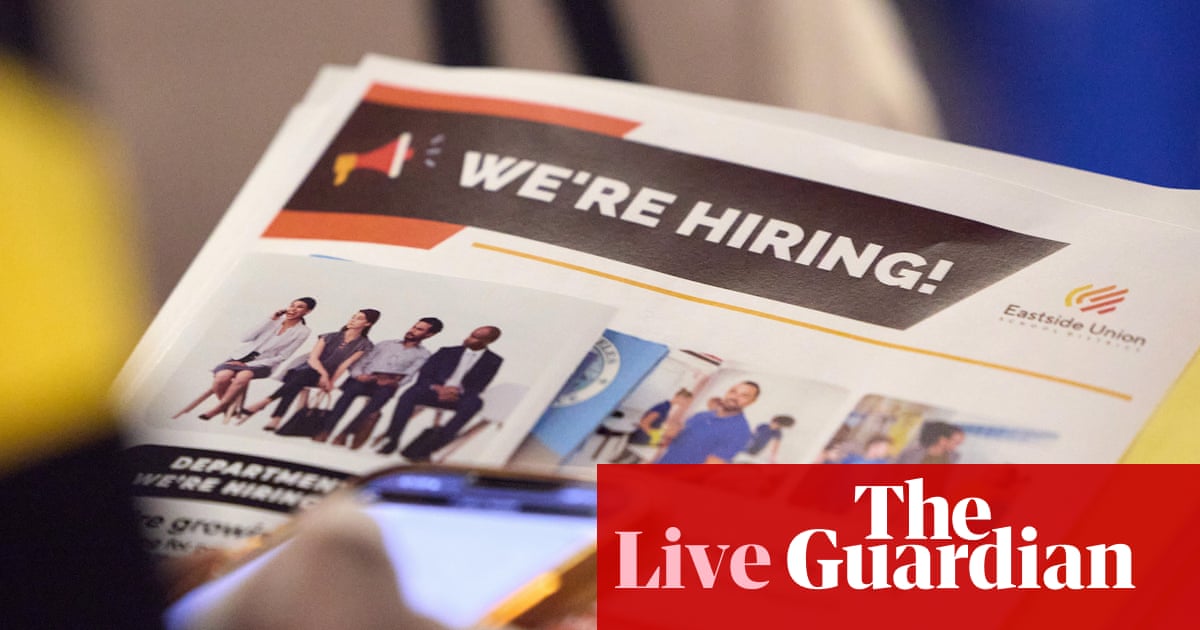
New U.S. labor-market data released in early January showed payroll growth slowed in December, with total job creation coming in below forecasts. The report fed a familiar debate on Wall Street: whether a cooling hiring pace is enough to bring inflation pressures down further, or whether the Federal Reserve will keep borrowing costs higher for longer to prevent prices from re-accelerating.
Economists cautioned that one month’s hiring figure rarely tells the full story, but they said the latest numbers added to evidence that the post-pandemic surge has normalized. Even as some sectors continued adding workers, other areas looked softer, suggesting employers are becoming more selective and more sensitive to costs.
For businesses, slower job growth can cut two ways. On one hand, it may ease wage pressure and help firms plan margins with more confidence. On the other, it can be a warning sign for consumer demand: if hiring cools broadly, households may feel less secure and spend more cautiously, which would ripple through retail, services, and discretionary categories.
Markets also focused on what the figures might mean for interest rates. Traders frequently try to price in the first cut well before it happens, but analysts noted that a meaningful shift requires more than a single weak print. Policymakers, they said, are likely to wait for a clearer pattern across inflation, wages, and labor participation before signaling that the job is done.
The broader takeaway for 2026 is that the U.S. economy may be moving into a more restrained growth phase—still expanding, but with less momentum than earlier in the cycle. For executives and investors, the next several reports will matter as much as the headline number: revisions, sector breakdowns, and wage trends will shape whether “cooling” looks orderly or the start of something more abrupt.