Democrats threaten shutdown brinkmanship over DHS as immigration enforcement backlash grows
Senate Democrats say they could block a federal funding package unless Homeland Security funding is removed or rewritten, citing concerns about immigration enforcement tactics and demanding tighter oversight ahead of the January 31 deadline.
- Published
- Updated
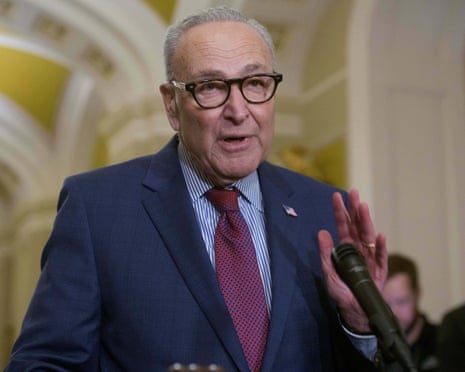
Senate Democrats are threatening to block a sweeping federal funding deal unless it is changed to address Department of Homeland Security spending, a move that raises the odds of a partial government shutdown at the end of the month. The warning, led by Minority Leader Chuck Schumer, comes amid heightened anger over recent immigration enforcement actions and a deadly incident involving a federal officer in Minneapolis.
Democrats argue the current DHS funding approach fails to impose meaningful oversight on immigration operations, particularly at a time when federal agents have become more visible in large cities and when images of tense encounters are spreading rapidly online. They want tighter rules, clearer accountability, and constraints that would reduce the risk of abuses or escalation during arrests.
The dispute is not only about ICE and Border Patrol tactics but also about the structure of the broader spending package. Leaders must decide whether to keep DHS inside a single, all-encompassing bill or split it out to negotiate separately—an option that could trigger new fights between the House and Senate and complicate the calendar as the deadline approaches.
Republicans counter that DHS agencies are central to border security, aviation security, maritime enforcement, and emergency response. They warn that carving out DHS funding or attaching new conditions could weaken enforcement and disrupt operations, and they accuse Democrats of using the shutdown threat as leverage to blunt the administration’s immigration priorities.
The practical question is votes. Even with Republicans holding the Senate majority, major spending legislation often needs bipartisan support to clear procedural hurdles. That gives Democrats leverage—but also places the blame risk on both sides if negotiations collapse and agencies face a lapse in funding.
As January 31 nears, the standoff is becoming a test of whether Congress can respond to a high-profile enforcement controversy without shutting down major parts of the federal government. For now, the DHS dispute is shaping the spending talks as much as any traditional budget issue.