Senate Democrats threaten to block Homeland Security funding after Minneapolis shooting, raising shutdown risk
Senate Democrats say they will oppose a sweeping government funding package if it includes Homeland Security money, citing anger over immigration enforcement and a fatal Minneapolis shooting involving federal agents. The standoff comes as the government faces a late-January funding deadline and lawmakers debate whether to split DHS funding from the broader package.
- Published
- Updated
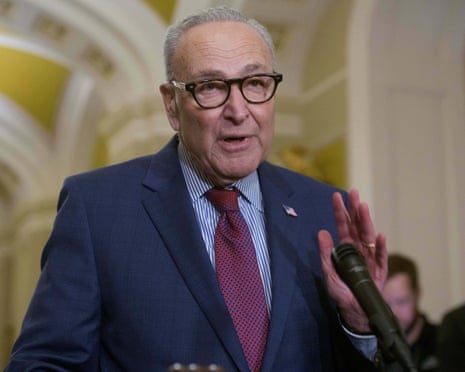
Funding standoff intensifies after Minneapolis shooting
A fight over federal spending is escalating in Washington after Senate Democrats said they are prepared to block a major appropriations package if it includes funding for the Department of Homeland Security. Democratic leaders tied their stance to concerns about immigration enforcement conduct and to backlash following the fatal shooting of Alex Pretti in Minneapolis on January 24, 2026.
The dispute has rapidly become a shutdown trigger. Government funding is set to expire at the end of January, and Senate Republicans would need Democratic votes to move the package forward under typical Senate rules. Democrats argue that DHS—and in particular Immigration and Customs Enforcement—requires stronger accountability measures before receiving full funding under a year-end-style deal.
Demands for constraints and oversight
The proposed DHS funding levels and policy guardrails have become the central argument. Democrats say they want enforceable conditions, clearer oversight, and limits aimed at preventing abusive or reckless tactics during enforcement operations. Republicans counter that withholding funds would undermine border and security operations and accuse Democrats of turning appropriations into a policy referendum.
One option discussed in coverage is separating the DHS funding portion from other appropriations bills so that the rest of the government can be funded while DHS is negotiated further. That approach would require procedural coordination between the Senate and House, and it risks delays given the calendar and political incentives on both sides.
What happens if a shutdown hits
If lawmakers fail to reach a compromise before funding expires, a partial shutdown could disrupt a wide range of federal functions. Even when some operations continue under exceptions, agencies often face staffing uncertainty, delayed contracts, and slowed services—costs that can compound as each day passes.
- Whether Senate leaders attempt a vote on a package that excludes DHS funding.
- Whether negotiators add DHS accountability provisions to secure votes.
- How quickly the House could act if the Senate changes the bill structure.