Minnesota protests intensify after ICE shooting as Attorney General demands state data in exchange for pullback
Protests continued in Minneapolis after a fatal shooting involving federal immigration agents during demonstrations against an immigration crackdown. In the aftermath, the U.S. attorney general demanded access to Minnesota’s voter and public-assistance records, linking the request to any reduction of federal immigration enforcement presence in the state.
- Published
- Updated
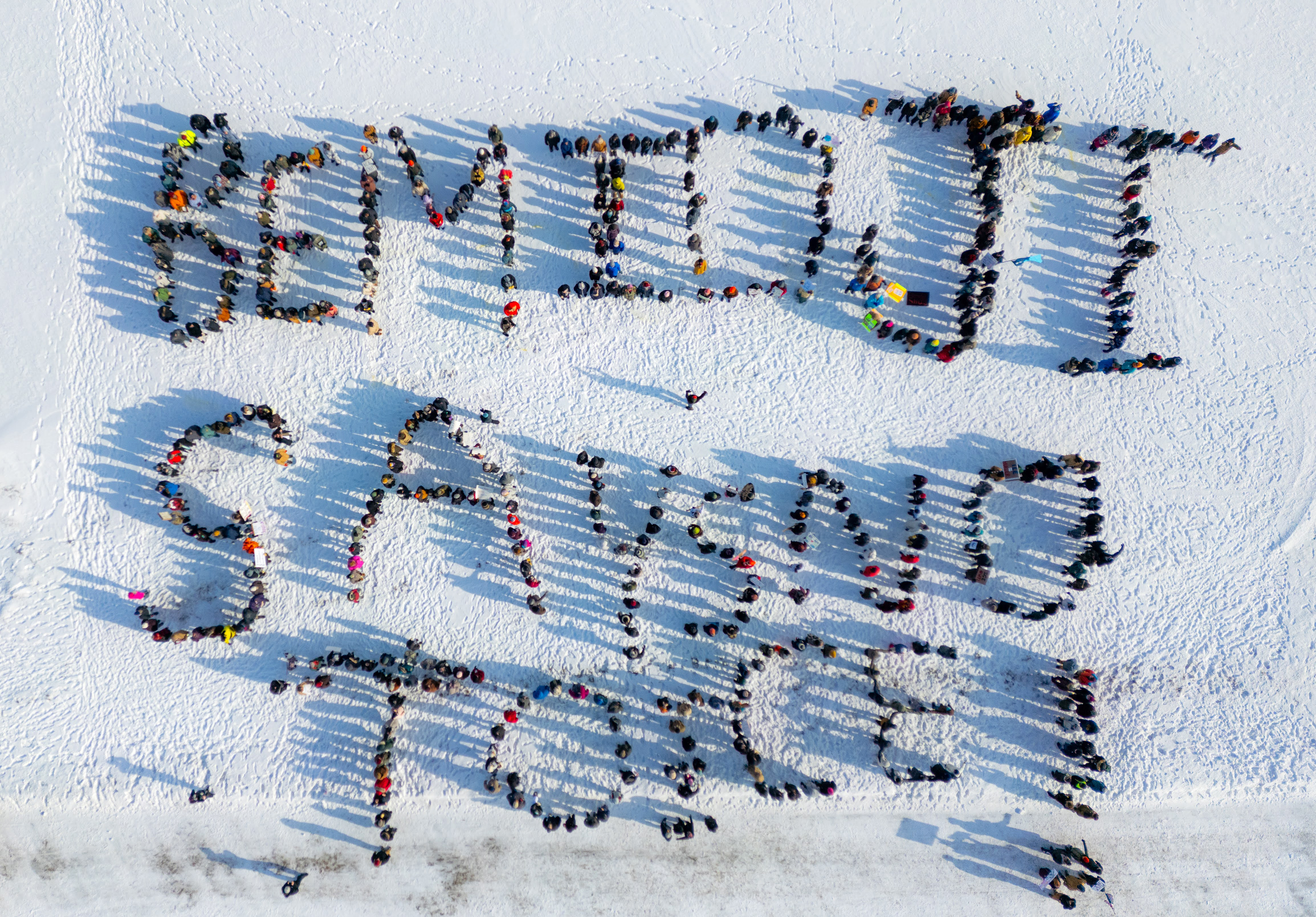
Protests after a fatal shooting during an immigration crackdown
Demonstrations continued in Minnesota after federal immigration agents fatally shot 37-year-old Alex Jeffrey Pretti in Minneapolis during protests against President Donald Trump’s immigration crackdown, according to a January 26, 2026 headlines report. The report described Pretti as an intensive care unit nurse at the Minneapolis Veterans Health Care System who was filming officers on his phone.
The same report said the killing came weeks after another fatal shooting involving ICE agents in Minneapolis. It described large-scale street protests and a broader climate of confrontation between federal enforcement operations and local demonstrators, with competing claims about what happened at the scene and whether the victim posed a threat.
Federal agents said Pretti was a violent “gunman,” but the report stated that video evidence and witness accounts disputed that narrative, describing footage showing him being wrestled to the ground before being shot multiple times in seconds. The report also said videos showed him intervening after a woman was shoved to the ground by an officer.
A data demand tied to enforcement pullback
In a separate development described in the same headlines roundup, Attorney General Pam Bondi demanded access to Minnesota’s voter rolls and welfare data, linking the request to pulling ICE out of the state. The report said Bondi’s letter asked Minnesota to share records related to Medicaid and nutrition-assistance programs, including SNAP, and to allow the Justice Department’s Civil Rights Division to access voter registration records to assess compliance with federal law.
The move, as described, escalated a political conflict already inflamed by the shootings and the federal enforcement surge. Supporters of the demand may frame it as a legal and integrity-focused review of public benefits and elections. Opponents may argue it is coercive, politicizes sensitive personal data, and risks deterring eligible residents from seeking assistance or participating in civic life.
The headlines report also noted rising congressional pressure related to immigration enforcement and funding, signaling that the dispute is expanding beyond Minnesota and into national legislative fights over DHS resources, oversight, and accountability.