U.S. attorney general seeks Minnesota voter and welfare data as tensions rise after ICE shooting
After the Minneapolis ICE killing, the attorney general demanded access to Minnesota voter rolls and welfare records, while congressional Democrats threatened funding blocks and floated impeachment pressure on DHS leadership.
- Published
- Updated
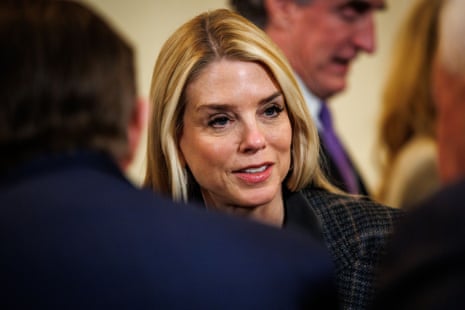
The political fallout from the Minneapolis immigration-enforcement confrontation widened on January 26, 2026, as Attorney General Pam Bondi demanded access to Minnesota’s voter rolls and welfare data. The request was presented as part of a broader pressure campaign tied to federal immigration operations in the state, arriving within hours of the killing of Alex Jeffrey Pretti during protests focused on immigration raids and enforcement tactics.
According to the report, Bondi asked Minnesota to share records connected to Medicaid and federal nutrition assistance programs, including SNAP, and also urged the Justice Department’s Civil Rights Division to access voter-registration rolls to confirm compliance with federal law. The move immediately drew scrutiny because it linked sensitive state datasets to a rapidly escalating conflict over federal enforcement presence and the state’s political response.
On Capitol Hill, Democrats signaled a sharper line. Senate Democratic Leader Chuck Schumer said Democrats planned to block a funding package the following week if it included money for the Department of Homeland Security, reflecting a strategy to use appropriations as leverage against the administration’s immigration crackdown. Separately, the report said a large group of House Democrats was sponsoring legislation aimed at impeaching Homeland Security Secretary Kristi Noem.
The combination of street unrest, contested accounts of the shooting, and the new demand for voter and welfare data has turned Minnesota into a national political battleground. The episode has also intensified broader debates over federal power, civil rights oversight, and the boundaries of immigration enforcement, with state and federal officials now facing overlapping legal, political, and public-trust pressures.