Eleanor Holmes Norton, D.C.’s longtime non-voting House delegate, says she will retire
Eleanor Holmes Norton, 88, announced she will not seek another term, ending a 33-year run as Washington, D.C.’s non-voting delegate and a central figure in the city’s statehood and representation campaign.
- Published
- Updated
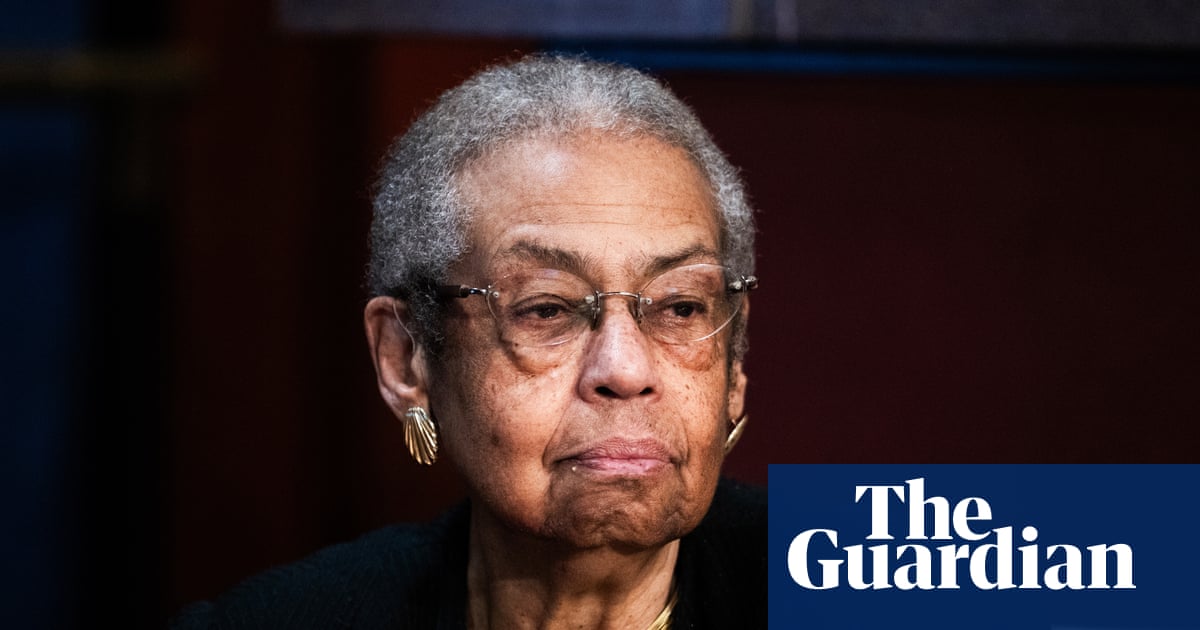
Eleanor Holmes Norton, Washington, D.C.’s longtime non-voting delegate in the U.S. House, announced Tuesday that she will retire at the end of her term. Norton, 88, has represented the District since 1991 after winning election in 1990, becoming one of the most recognizable national voices for D.C.’s demand for full representation in Congress.
In a public statement, Norton described her tenure as a sustained fight against what she called the injustice of denying the District’s roughly 700,000 residents the same congressional rights enjoyed by states. As a delegate, she has been able to introduce bills and vote in committees but has not had a vote on the House floor—an arrangement that has long defined the limits of D.C.’s status under federal law.
Norton entered Congress as the city was still wrestling with the aftershocks of decades of disinvestment and a severe drug epidemic. Over time she pushed lawmakers to approve policies intended to stabilize and strengthen the District’s finances and governance, while also pushing back against congressional interference in local decisions.
Her signature political mission has been statehood and voting representation. D.C. residents participate in presidential elections but lack voting members in both the House and Senate. During Norton’s tenure, the House passed a bill in 2021 that would have made most of Washington, D.C. the 51st state, but the measure stalled in the Senate amid strong Republican opposition.
In recent years Norton’s age and health became part of the public discussion around her continued service. Reports described concerns about her capacity, and she faced a primary challenge in 2025. Norton nevertheless remained in office and continued to use the tools available to a delegate—committee work, legislative drafting, and relentless public advocacy—to press D.C.’s case.
Her retirement sets up the District’s first open contest for the seat in decades and is expected to draw an unusually crowded field in a city where local politics can be intensely competitive. The next delegate will inherit a role with limited formal power but major symbolic weight, particularly as debates over D.C. autonomy, federal oversight, and voting rights continue.
For supporters, Norton leaves behind a legacy defined by persistence: building coalitions, forcing national attention on D.C.’s status, and keeping statehood on the agenda even when the political math in Congress looked bleak. For critics, her late-career controversies underscore the tensions between seniority, experience, and the demands of public accountability in an era of sharp polarization.